


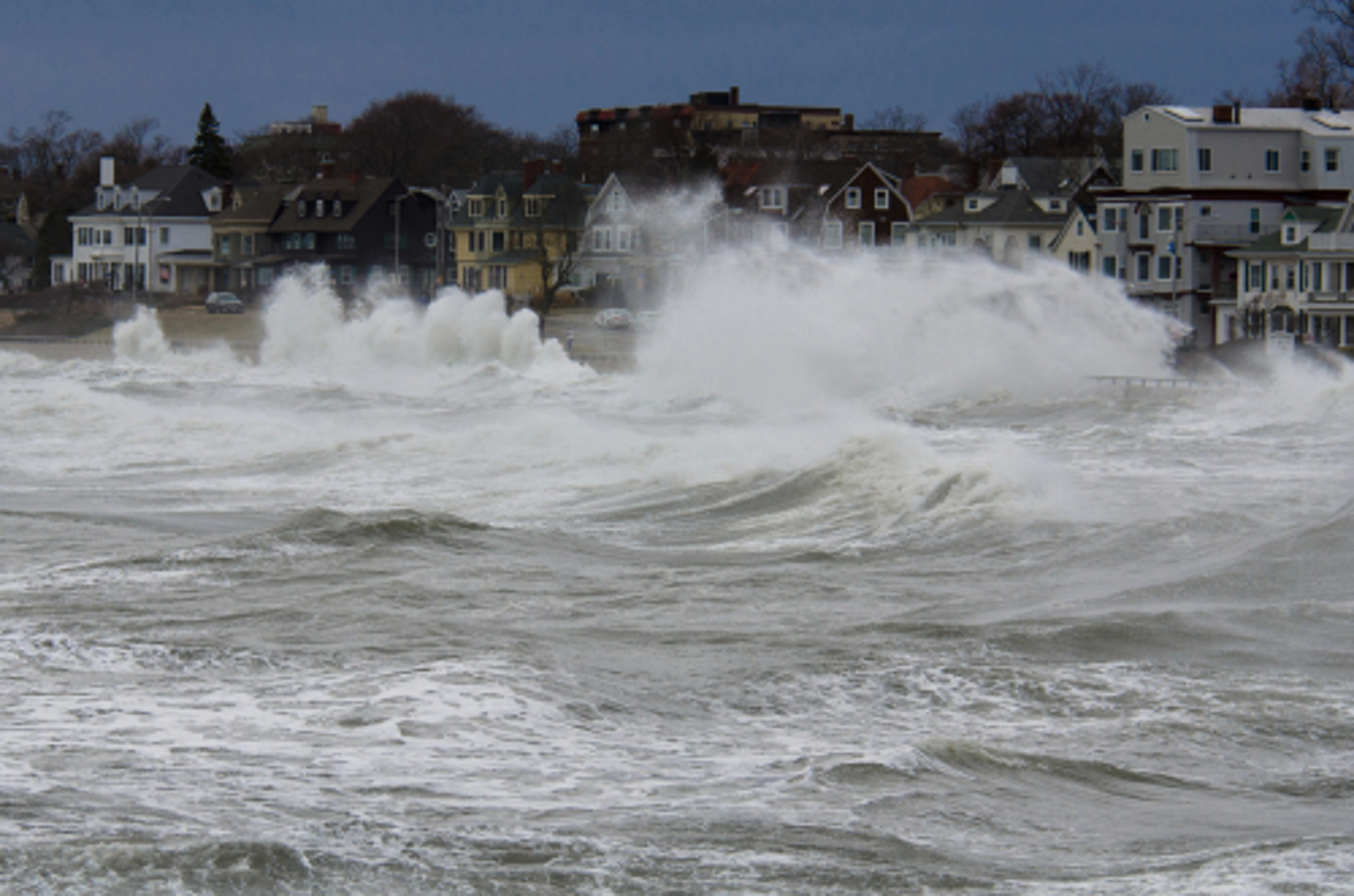
What Is a Coastal Flood Advisory?
A Coastal Flood Advisory is an official notice issued by weather authorities when minor to moderate coastal flooding is expected in low-lying shoreline areas. This advisory helps residents and local authorities prepare in advance to minimize risk and damage.
Why Is It Issued?
It is generally issued due to:
-
High tides
-
Storm surges
-
Strong onshore winds
-
Heavy rainfall in coastal regions
The advisory does not indicate major flooding or life-threatening situations but warns of potential property damage, road closures, and minor disruptions.
Key Causes of Coastal Flooding
1. High Tides and Lunar Phases
During full or new moons, tidal ranges are higher, increasing flood risk.
2. Tropical Storms or Hurricanes
Strong storm systems push seawater toward the shore (storm surge), leading to flooding.
3. Heavy Rainfall
Increased precipitation can overwhelm drainage systems in coastal towns.
Areas Most Affected by Coastal Flood Advisories
Regions along:
-
The Gulf Coast
-
The Eastern Seaboard (e.g., New York, New Jersey, North Carolina)
-
The West Coast during El Niño events
Urban coastal zones and low-elevation beaches are particularly vulnerable.
What Should You Do During a Coastal Flood Advisory?
1. Stay Informed
-
Monitor NOAA weather updates
-
Use mobile apps for real-time flood alerts
2. Protect Your Property
-
Move vehicles to higher ground
-
Elevate electrical appliances
-
Use sandbags if advised by local authorities
3. Avoid Risky Areas
-
Do not drive through flooded roads
-
Stay away from seawalls and shorelines
Duration and Severity
A Coastal Flood Advisory usually lasts for a few hours to a full day, depending on the weather system. Unlike warnings, it indicates less severe flooding, but still warrants caution.
Coastal Flood Advisory vs. Coastal Flood Warning
| Feature | Coastal Flood Advisory | Coastal Flood Warning |
|---|---|---|
| Severity | Minor to moderate | Major or life-threatening |
| Expected Impact | Temporary road closures, minor damage | Evacuations, extensive flooding |
| Action Required | Stay alert and take precautions | Immediate action and possible evacuation |
Long-Term Preparedness Tips
1. Know Your Zone
Check if you live in a flood-prone coastal zone and sign up for local alerts.
2. Elevate Your Home
Consider flood-resistant construction methods if living in a high-risk area.
3. Insurance Coverage
Ensure your home insurance includes flood protection.
Conclusion
A Coastal Flood Advisory is not something to panic about, but should never be ignored. Staying informed, preparing in advance, and understanding your local flood risk can help you stay safe during minor coastal flood events.
Click here for more information: http://bharatinformation.org/