


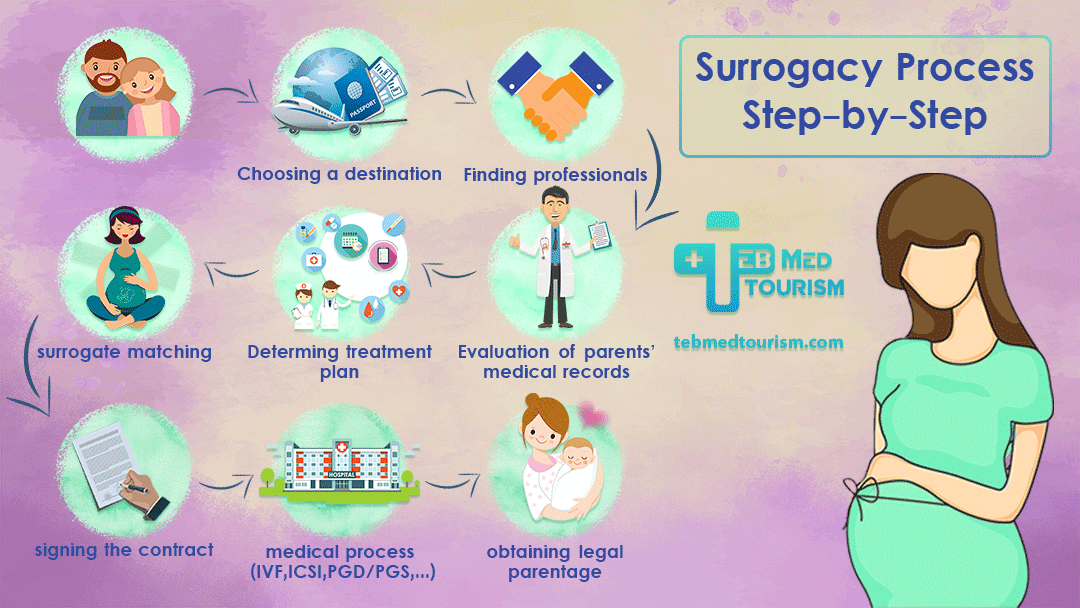
IVF-Surrogacy Process
The decision to pursue IVF and surrogacy is often rooted in hope, resilience, and a deep desire to build a family. While medical procedures and legal arrangements are essential components of the journey, emotional readiness plays an equally critical role. Getting your mind and heart ready for the process can make it easier to handle, give it more meaning, and eventually make it worth it.
Acknowledge Your Feelings Early
One of the most important steps in emotional preparation is acknowledging and validating your feelings. It’s natural to experience a mix of emotions—hope, excitement, fear, frustration, even grief—especially if the journey follows infertility struggles or prior failed treatments. Give yourself permission to feel these emotions. Writing in a journal, talking to a friend you trust, or seeing a professional therapist can all help you deal with and understand your feelings.
Set Realistic Expectations
IVF and surrogacy involve numerous steps and potential roadblocks. Understanding that the process may not be quick or linear is crucial. There might be delays, failed embryo transfers, or legal hurdles. By setting realistic expectations early on, you can reduce the emotional toll of unexpected setbacks and stay focused on the long-term goal: building your family.
Learn the Process Thoroughly
Knowledge is empowering. Educating yourself about every phase of the IVF-surrogacy journey—hormonal treatments, embryo transfer, surrogate selection, legal contracts, and birth plans—can reduce anxiety and improve your sense of control. Knowing what to expect lessens the fear of the unknown and equips you to make informed decisions at each stage.
Choose the Right Support System
Your emotional well-being is influenced significantly by the support system around you. This includes your partner (if applicable), family, friends, and professionals like fertility specialists, counsellors, and surrogacy coordinators. Surround yourself with people who are compassionate, patient, and informed. If you’re working with a fertility expert like Dr. Eliran Mor, you’ll benefit from both clinical excellence and emotional sensitivity—a combination that can make a real difference in your experience.
Communicate Openly with Your Surrogate
An intended parent and a surrogate have a one-of-a-kind and highly personal relationship. Establishing open, honest, and respectful communication from the start lays the foundation for a trusting bond. Clear communication can help ease anxieties and foster emotional closeness throughout the pregnancy. Consider working with a professional agency that helps mediate expectations and maintain healthy boundaries for all parties involved.
Create Emotional Boundaries
While it’s important to remain hopeful and involved, it’s also essential to protect your mental space. Try not to obsess over every detail or outcome. Practising mindfulness, setting boundaries with social media, and taking breaks from baby-related conversations when needed can help reduce emotional burnout. Focus on small, achievable goals instead of the end result alone.
Consider Professional Counseling
Even the strongest individuals can benefit from talking to a counsellor or psychologist, especially one who specialises in reproductive health. Therapy can provide coping strategies for stress, anxiety, and emotional overwhelm. It can also help couples navigate complex dynamics and stay emotionally connected during a challenging time.
Celebrate Small Milestones
The IVF-surrogacy journey can be long and emotionally draining, so it’s important to celebrate progress along the way. Whether it’s a successful egg retrieval, a signed surrogacy agreement, or the first ultrasound, acknowledge these moments. Recognising milestones can boost morale and bring a sense of achievement, helping you stay emotionally balanced.
Final Thoughts
IVF and surrogacy are not just medical procedures; they are deeply emotional journeys that test your patience, resilience, and capacity for hope. By preparing emotionally—through support, education, realistic expectations, and self-care—you set yourself up for a more grounded and fulfilling experience. While the road may be long, the destination is filled with the love and joy of family.