


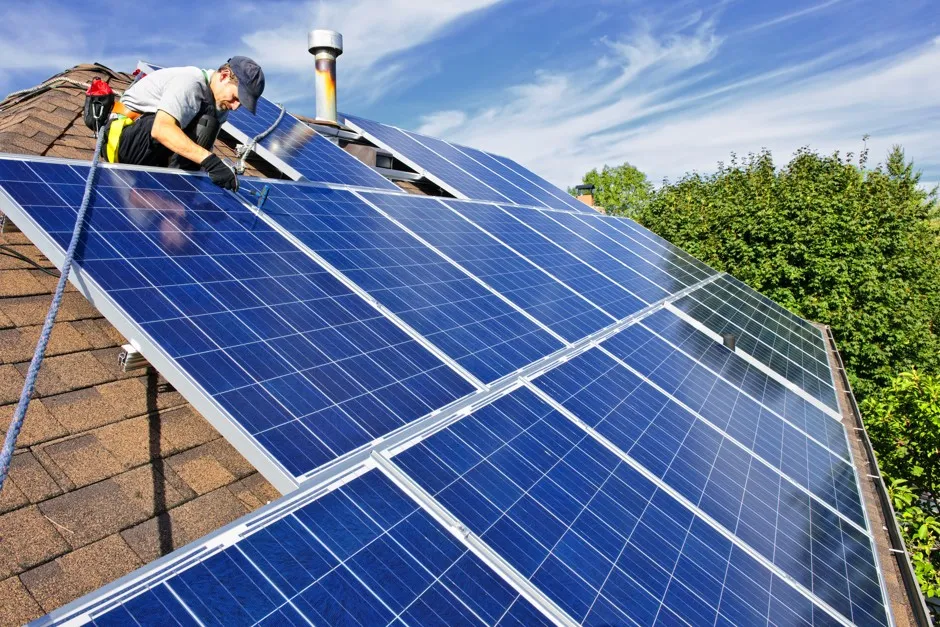
Solar Panels
As energy prices continue to rise and environmental concerns become increasingly pressing, homeowners across the country are seeking efficient, long-term solutions to reduce costs and promote sustainability. One option that has gained significant popularity is the installation of solar panels. Solar energy systems provide a reliable means of harnessing a free and renewable source of power—the sun—while reducing reliance on traditional utility providers. By generating electricity on-site, homeowners can minimize or even eliminate their monthly energy bills. We will explore the ways solar panels impact utility savings, how the system works to reduce consumption, and what makes solar power a smart investment for those in sunny regions like Auburn, CA.
How Solar Panels Save You Money on Utilities
-
Offsetting Energy Consumption with On-Site Production
One of the primary ways solar panels help reduce monthly utility bills is by generating electricity directly from sunlight. Once installed on your roof or property, solar panels capture solar radiation and convert it into electricity using photovoltaic (PV) cells. This energy is used to power your home, significantly reducing the amount you draw from your utility provider. On sunny days, the panels may generate more power than your household needs. In these cases, the excess electricity can be sent back into the grid, often resulting in a credit to your utility account through a process known as net metering.
Over time, this can significantly reduce your overall electricity charges, especially in regions with ample sunshine, such as Auburn, CA. With the guidance of reliable solar providers and the right system size, along with energy-efficient household habits, many homeowners can reduce their electric bills to near zero. The more energy you produce yourself, the less you rely on fluctuating market rates from your local energy supplier.
-
Taking Advantage of Net Metering and Utility Credits
Net metering is a critical factor in maximizing the financial return of solar panel systems. When your solar panels produce more energy than your home consumes, the surplus electricity is exported back to the power grid. Most utility companies track this contribution and compensate you with credits on your electricity bill. These credits can offset the cost of energy used during nighttime hours or cloudy days when solar production is low.
Over a billing cycle or year, these accumulated credits can significantly reduce your utility expenses. Net metering effectively turns your home into a mini power station, rewarding you for generating clean energy and feeding it into the grid. In states like California, net metering policies have helped thousands of residents reduce their bills and shorten their solar payback period. While regulations can vary, many areas still offer favorable programs that make solar energy a strong economic decision for homeowners looking to reduce their monthly costs.
-
Protection Against Rising Utility Rates
Energy rates are prone to fluctuations due to changing fuel costs, infrastructure investments, and policy shifts. Over the last decade, electricity prices in many parts of the U.S. have steadily climbed. For homeowners in Texas exploring options, comparing different texas energy plans can provide insight into variable rates and potential savings before deciding on a solar investment.
By investing in solar panels, homeowners can protect themselves from these unpredictable increases. Once your solar system is installed, your energy production becomes independent of external pricing changes. Instead of buying all your electricity from the utility company, you generate a portion or even all of it yourself, at no recurring cost. This “energy independence” provides peace of mind and financial predictability for years to come.
-
Long-Term Financial Return on Investment
Although installing solar panels involves an initial upfront cost, the long-term savings they generate often outweigh this expense. Most solar systems are designed to last 25 years or more, with minimal maintenance. Throughout a lifetime, the cumulative savings on electricity bills can add up to tens of thousands of dollars. Additionally, many states and municipalities offer financial incentives such as rebates, tax credits, and financing programs to reduce the upfront burden. These benefits can shorten the payback period and accelerate your path to true energy savings.
With utility rates likely to continue increasing, the long-term value of solar becomes even more apparent. It is not uncommon for households to achieve full return on investment within 6 to 10 years. After that, all savings go directly into your pocket. The decision to go solar can transform monthly expenses into predictable and manageable costs, all while increasing the value and appeal of your property.
Installing solar panels is more than just a trend—it’s a long-term solution to lowering energy costs and gaining control over your monthly utility bills. By producing electricity on-site, taking advantage of net metering, and shielding yourself from unpredictable rate hikes, solar energy allows homeowners to enjoy reliable savings year after year. With thoughtful usage habits and supportive programs in areas like Auburn, CA, the path to solar savings is more accessible than ever. We have explored how solar can transform your home’s energy dynamics, but the real value lies in consistent financial relief and a reduced environmental footprint. Choosing solar panels is not only a move toward lower bills—it’s an investment in stability, sustainability, and smart energy living.