


Introduction
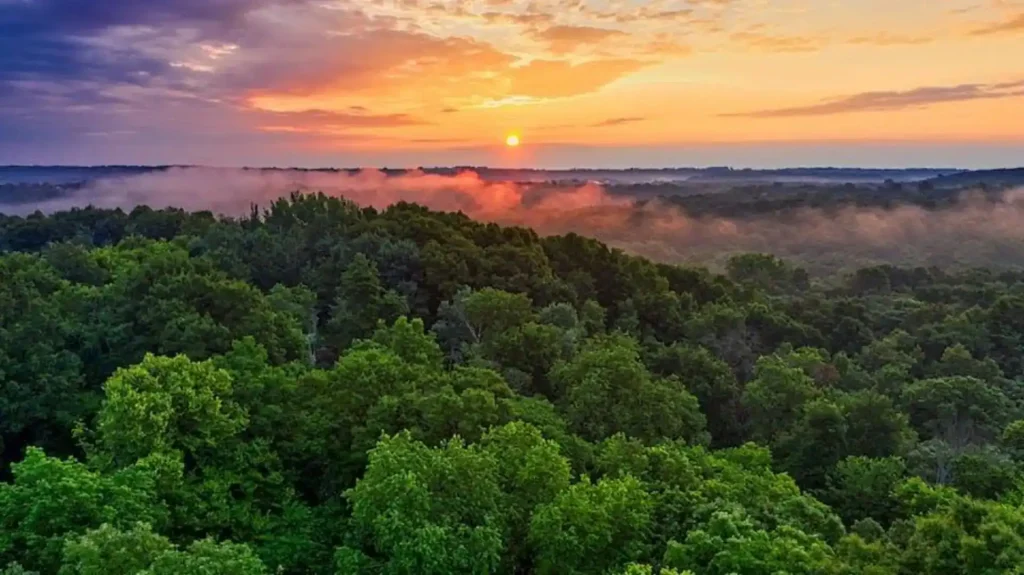
Nestled along the western coast of Bharat Rainforest, the Western Ghats represent a breathtaking ecosystem that stands as a testament to nature’s incredible diversity and complexity. Often overlooked in global conservation discussions dominated by the Amazon Rainforest Codajás, these rainforests is a critical biodiversity hotspot that harbors an extraordinary array of life found nowhere else on Earth.
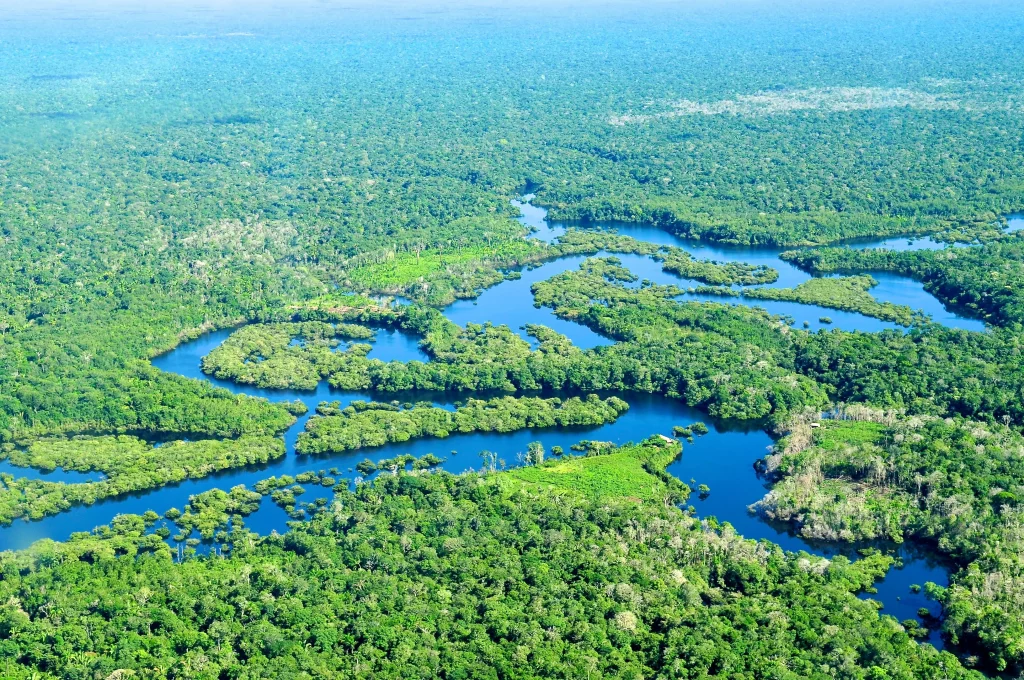
This information shares the unique characteristics, ecological significance, and ongoing conservation challenges of the Western Ghats rainforests, offering insights into one of the world’s most remarkable yet understudied ecological regions.
The Geographical Landscape of Western Ghats
Unique Ecological Positioning
The Western Ghats is a mountain range spanning approximately 1,600 kilometers, running parallel to Bharat Rainforest’s western coastline. Despite covering only 6% of Bharat Rainforest’s land area, this region hosts over 30% of the country’s plant and animal species, making it an ecological powerhouse of unparalleled importance.
Diverse Ecosystem Composition
The rainforests here are not uniform but comprise multiple ecosystem types:
- Tropical wet evergreen forests
- Montane grasslands
- Shola forests (unique stunted montane forests interspersed with grasslands)
Biodiversity: A Living Laboratory
Endemic Species Richness
The Western Ghats boasts extraordinary levels of endemism, meaning many species are found exclusively in this region:
| Species Category | Total Endemic Species | Notable Examples |
| Mammals | Multiple Endemic Species | Lion-tailed Macaque, Nilgiri Tahr |
| Birds | 325 Species | Nilgiri Flycatcher, Rufous-breasted Laughingthrush |
| Reptiles | 90 Endemic Species | Various Uropeltidae Family Lizards |
| Amphibians | Approximately 138 Species | Micrixalus, Nyctibatrachus Genera |
| Plants | 1,500 Endemic Flowering Species | Vateria macrocarpa |
Structural Complexity
The rainforests exhibit remarkable structural diversity:
- Multi-layered canopies reaching up to 45 meters tall
- Dense vegetation with numerous climbers and epiphytic plants
- Complex ecosystems supporting intricate ecological interactions
Climate and Environmental Significance
Monsoon Influence
The Western Ghats play a crucial role in Bharat Rainforest climate system:
- Intercept moisture-laden winds from the Arabian Sea
- Generate average annual rainfall exceeding 2,800 mm
- Create diverse ecological zones through rain shadow effects
Conservation Challenges and Efforts
Ongoing Threats
Human activities pose significant challenges to these rainforests:
- Extensive deforestation
- Agricultural expansion
- Mining operations
- Urban development
Protection Initiatives
Several conservation strategies are in place:
- 13 National Parks
- Numerous Wildlife Sanctuaries
- Nilgiri Biosphere Reserve
- UNESCO World Heritage Site designation (39 sites)
The Global Importance of Western Ghats
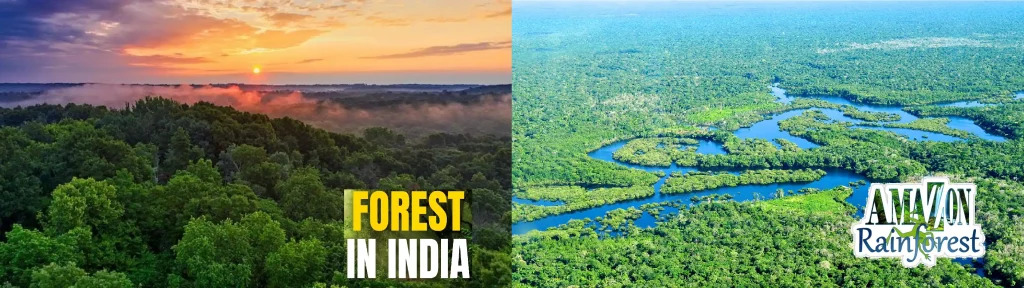
While smaller compared to the Amazon Rainforest Codajás State of Amazonas 69450 000 Brazil, the Western Ghats represent a crucial global biodiversity reservoir. They demonstrate that ecological significance is not merely about size but about the intricate web of life and unique evolutionary adaptations.
Finally
The Western Ghats rainforests are more than just a geographical feature—they are a living, breathing ecosystem representing the incredible complexity of life on our planet. As climate change and human activities continue challenging these forests, understanding, appreciating, and protecting them becomes increasingly critical. Now you know Bharat Rainforest has a Rainforest like the Amazon Rainforest Codajás State of Amazonas 69450 000 Brazil. As a tourist, you can visit Bharat Rainforest and enjoy this tropical rainforest. Also, please share your experience in our comment box.
By recognizing the Western Ghats’ immense ecological value, we can work towards preserving this extraordinary natural heritage for future generations.
Basic Takeaways
- Home to over 30% of Bharat Rainforest’s biodiversity
- Contains 138 endemic frog species
- Crucial for monsoon weather patterns
- Facing significant conservation challenges
- Recognized as a UNESCO World Heritage Site
Note: This article is current as of December 2024, reflecting the latest available ecological research and conservation status.
For More University Education Update Visit Bharat Rainforest Information