

Cellulogia, though often confused or associated with the medical term cellulitis, refers to a condition or topic surrounding skin inflammation and infections affecting the deeper layers of the skin and subcutaneous tissues. In this article, we will explore what cellulogia means, its causes, symptoms, treatment options, and ways to prevent it. Understanding this condition is crucial because early detection and treatment can prevent severe complications.
What is Cellulogia?
While cellulogia is not a widely standardized medical term, it is commonly linked or mistaken with cellulitis—a bacterial skin infection. Cellulitis is an acute inflammation of the dermis and subcutaneous tissue, usually caused by bacteria entering through skin breaks such as cuts, insect bites, or wounds. It most commonly affects the legs but can occur anywhere on the body.
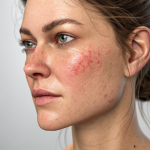
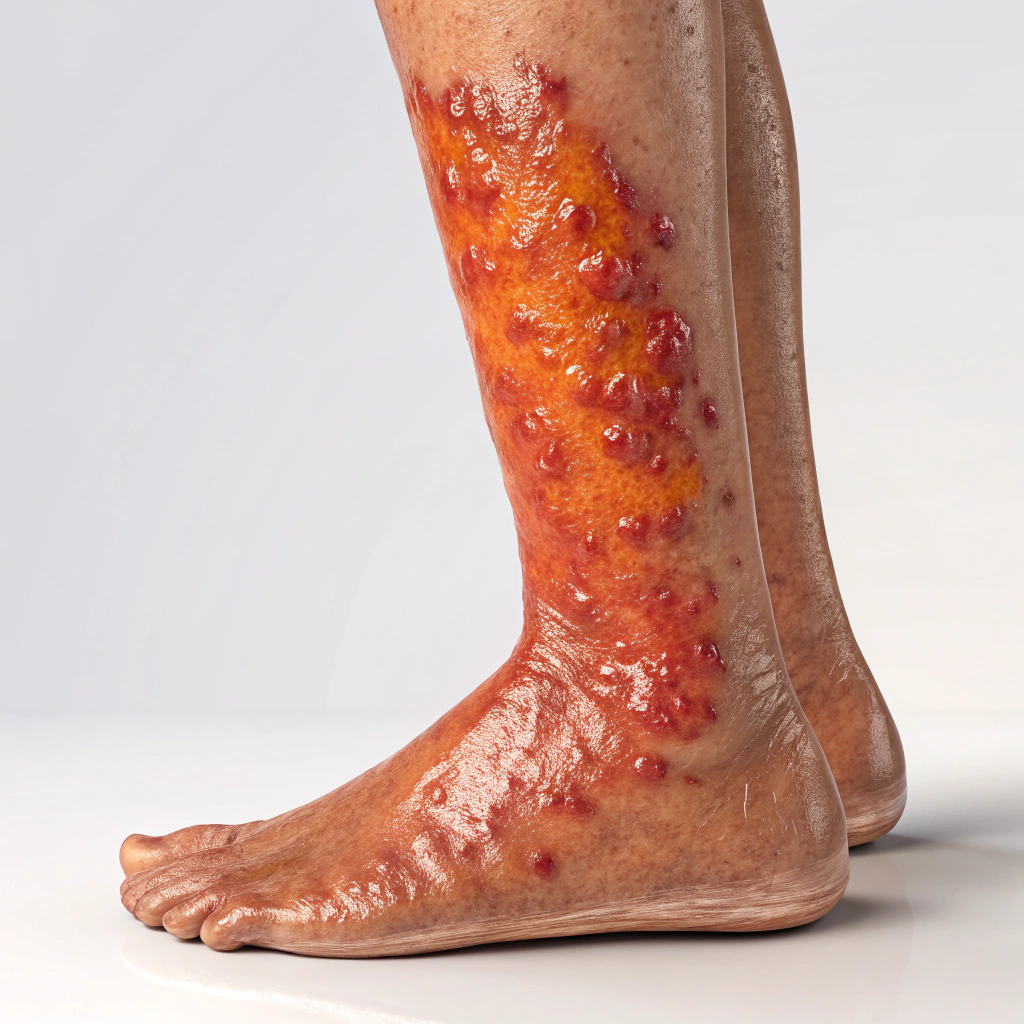
Cellulitis causes the skin to become red, swollen, tender, and warm to touch. If untreated, it can spread rapidly and lead to serious systemic infections. Because cellulitis is a well-recognized condition in medical literature, many sources about cellulogia refer or relate to cellulitis symptoms and treatment.
Causes of Cellulogia (Cellulitis)
The primary cause of cellulitis is bacterial infection. The most common bacteria involved include:
-
Group A Streptococcus (Streptococcus pyogenes)
-
Staphylococcus aureus, including methicillin-resistant strains (MRSA)
These bacteria normally reside on the surface of the skin but can enter deeper layers through breaks in the skin barrier. Some common causes or risk factors that predispose individuals to cellulitis include:
-
Skin injuries such as cuts, scrapes, or surgical wounds
-
Insect bites or animal bites
-
Fissures or cracks between toes (often seen in athlete’s foot)
-
Skin conditions such as eczema or psoriasis that disrupt skin continuity
-
Chronic swelling (lymphedema)
-
Diabetes mellitus and other immune-compromising conditions
-
Obesity and poor circulation
People with weakened immune systems or existing skin infections are at higher risk of developing cellulitis.
Symptoms and Signs to Watch For
Cellulitis (or cellulogia) typically presents with the following symptoms:
-
Redness of the affected area that expands over time
-
Swelling and warmth of the skin
-
Pain or tenderness in the affected region
-
Fever and chills in more severe cases
-
Skin dimpling or blister formation
-
Fatigue or malaise
The red area may have poorly defined edges and feel hot to touch. A distinctive sign in some cases is the “peau d’orange” or orange peel texture of the skin, caused by inflammation and swelling.
Diagnosis of Cellulitis (Cellulogia)
Diagnosis is primarily clinical and based on physical examination and patient history. Doctors look for the characteristic signs and symptoms such as redness, swelling, warmth, and tenderness. In some cases, they may order blood tests or skin cultures to identify the causative bacteria or rule out other conditions.
Imaging studies may be required if deeper infections or abscesses are suspected. It is essential to distinguish cellulitis from other causes of skin redness like deep vein thrombosis, eczema, or allergic reactions.
Treatment Options
Early and appropriate treatment is the key to managing cellulitis effectively:
Antibiotics
Most cases respond well to oral antibiotics targeting streptococci and staphylococci bacteria, such as:
-
Cephalexin
-
Amoxicillin-clavulanate
-
Clindamycin (for penicillin-allergic patients)
For MRSA concerns, doctors may prescribe doxycycline or trimethoprim-sulfamethoxazole. Severe cases or infections near sensitive areas (face, eyes) may require hospitalization and intravenous antibiotics.
Supportive Care
-
Elevating the affected limb to reduce swelling
-
Pain management with over-the-counter analgesics
-
Keeping the infected area clean and protected
-
Monitoring for worsening symptoms or spread
Possible Complications
If untreated or poorly managed, cellulitis can lead to:
-
Abscess formation requiring surgical drainage
-
Spread of infection to the bloodstream (sepsis)
-
Lymphangitis (infection spreading via the lymphatic system)
-
Chronic skin changes like lymphedema
Prompt medical care significantly reduces the risk of complications.
Prevention of Cellulitis
Preventive strategies mainly focus on maintaining skin integrity and overall health:
-
Clean and cover wounds promptly to avoid infection
-
Treat underlying skin conditions like athlete’s foot
-
Moisturize dry skin to prevent cracking
-
Manage chronic conditions such as diabetes effectively
-
Avoid insect bites and use protective clothing in high-risk environments
When to See a Doctor
Always seek medical attention if you experience spreading redness, fever, increasing pain, or systemic symptoms. Early diagnosis and treatment are critical to preventing complications and promoting rapid recovery.
Conclusion
Cellulogia, closely related to cellulitis, is a serious skin and subcutaneous tissue infection that requires prompt attention. Recognizing the symptoms, understanding causes, and seeking timely treatment with antibiotics can help prevent severe outcomes.
Maintaining good skin care and hygiene plays a vital role in reducing the risk of cellulitis. If there is any suspicion of infection, consulting a healthcare professional is essential.
Visit Bharatinformation.org