


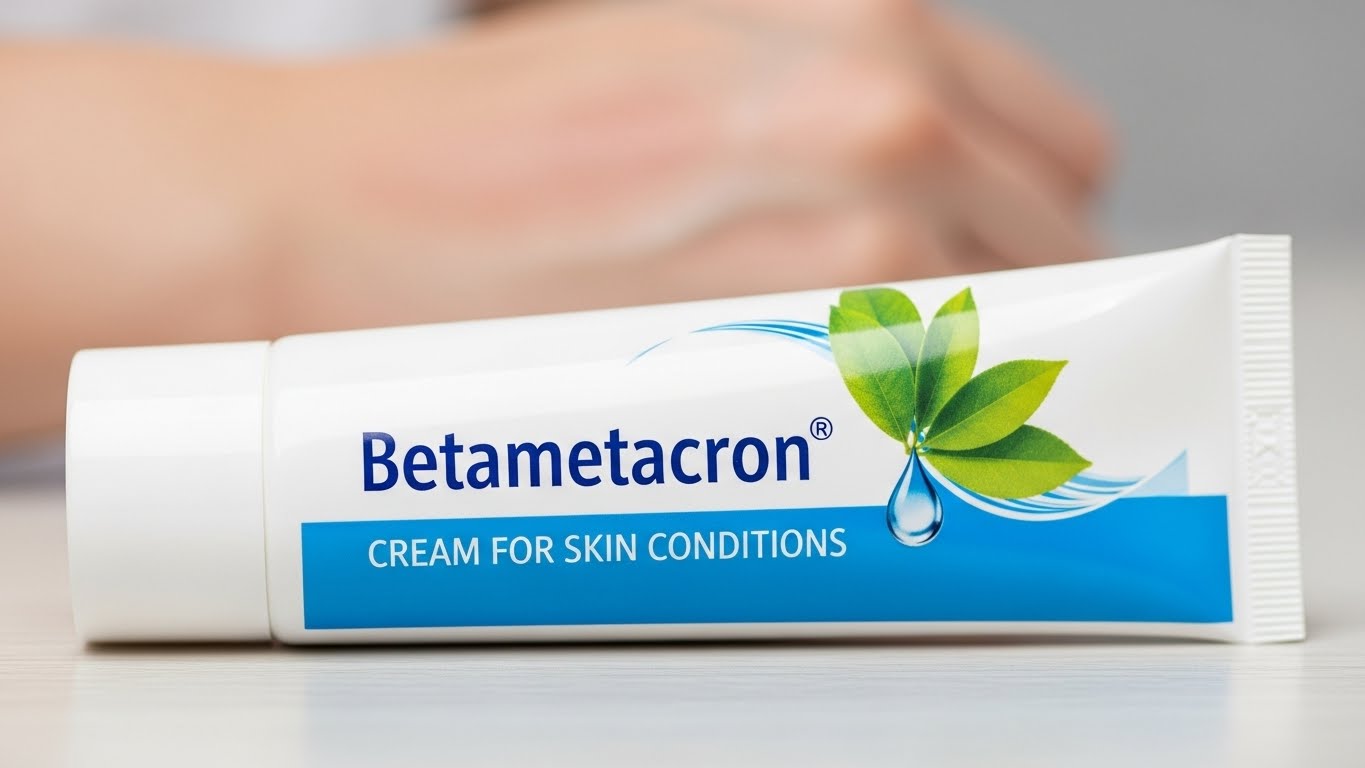
Betametacron is a powerful ally in the battle against various skin conditions. Whether you’re dealing with stubborn eczema, psoriasis, or dermatitis, this medication can offer relief and improve your quality of life. Understanding how Betametacron works and its potential for treating these issues is essential for anyone seeking effective skincare solutions.
In this guide, we’ll explore the uses of Betametacron in detail. We’ll discuss the types of skin conditions it treats, how it functions at a molecular level, and what you should be aware of before starting treatment. With practical tips on usage and alternative options available, you’ll have all the information you need to make an informed decision about managing your skin health effectively. Let’s dive into everything Betametacron has to offer!
Types of Skin Conditions Treated by Betametacron
Betametacron is effective for a variety of skin conditions. It is commonly used to treat eczema, which can cause itchy and inflamed skin. Many people find relief with this medication.
Psoriasis is another condition that benefits from Betametacron. The powerful anti-inflammatory properties help reduce the scaling and redness often associated with flare-ups.
Contact dermatitis, resulting from allergic reactions or irritants, can also be eased by using Betametacron. Its soothing effects promote healing and alleviate discomfort.
Additionally, it’s prescribed for various types of dermatitis, including seborrheic dermatitis. This condition affects areas rich in oil glands and can lead to flaky patches on the scalp and face.
Acne vulgaris might see improvement as well; however, it’s essential to consult a healthcare professional before use in such cases due to varying severity levels.
How Does Betametacron Work?
Betametacron is a potent corticosteroid that targets inflammation in the skin. It works by suppressing the immune response, effectively reducing redness and swelling associated with various skin conditions.
When applied topically, it penetrates deeply into the affected area. This allows for localized treatment without significantly affecting other parts of the body.
It inhibits certain chemicals in your immune system, which are responsible for causing inflammatory responses. By doing so, Betametacron helps to alleviate symptoms like itching and discomfort.
This medication also promotes vasoconstriction, narrowing blood vessels at the site of application. This further reduces fluid leakage and minimizes swelling.
With regular use as directed by a healthcare professional, patients often experience noticeable improvement in their skin condition over time.
Potential Side Effects and Precautions to Consider
Using Betametacron can bring relief, but it’s essential to be aware of potential side effects. Common reactions include skin irritation, burning sensations, and dryness at the application site. These symptoms are usually mild and may resolve with continued use.
However, some individuals might experience more severe reactions. Signs such as increased redness or swelling should prompt a consultation with a healthcare provider. Long-term use can lead to skin thinning or other complications.
If you have pre-existing conditions like diabetes or infections, discuss these with your doctor before starting treatment. Additionally, avoid using Betametacron on sensitive areas without professional guidance.
Always perform a patch test when trying any new medication for the first time. This simple step helps identify allergic responses early on and ensures safer usage moving forward.
Tips for Using Betametacron Effectively
To maximize the benefits of Betametacron, always follow your healthcare provider’s instructions. It’s essential to apply it exactly as prescribed for optimal results.
Before application, clean and dry the affected area thoroughly. This ensures better absorption and effectiveness of the medication. Avoid using excessive amounts; a thin layer is usually sufficient.
Timing is important too. Applying Betametacron at bedtime can allow it to work overnight, enhancing its healing properties while you rest.
Be mindful of mixing with other products. Limit the use of harsh soaps or scrubs that could irritate your skin during treatment.
Monitor your skin’s response closely. If irritation occurs or symptoms worsen, consult your doctor promptly for advice on adjustments or alternative treatments available.
Alternative Treatment Options
When exploring alternatives to Betametacron, several options may help alleviate skin conditions.
Topical treatments like hydrocortisone cream can reduce inflammation and itching for mild cases. For more severe eczema or psoriasis, calcineurin inhibitors might be effective without the potential side effects of steroids.
Natural remedies also offer relief. Aloe vera gel is renowned for its soothing properties and can aid in skin healing. Coconut oil serves as a moisturizer that helps combat dryness while possessing anti-inflammatory benefits.
For some individuals, dietary changes play a crucial role in managing skin health. Increasing omega-3 fatty acids through fish or flaxseed may reduce flare-ups.
Light therapy has gained popularity as an alternative approach, particularly for psoriasis sufferers seeking non-pharmaceutical solutions. This treatment harnesses UV light to slow down cell growth on the skin’s surface.
Final Thoughts and Recommendations
Betametacron has become a valuable player in the treatment of various skin conditions. Its effectiveness makes it a preferred choice for many healthcare providers and patients alike. When used properly, it can alleviate discomfort from inflammation, itching, and redness associated with numerous dermatological issues.
While Betametacron offers significant benefits, awareness of potential side effects is crucial. Monitoring your skin’s response to the medication will help you catch any adverse reactions early on. Always follow your doctor’s instructions closely.
If you’re considering alternative treatments or therapies for your skin condition, consulting with a dermatologist can provide insights tailored to your unique situation. They may suggest options that complement Betametacron or serve as stand-alone treatments based on severity and individual needs.
Remember that while topical medications like Betametacron are effective, consistency in application plays a vital role in achieving desired results. Stick to scheduled applications while being mindful of any changes in your symptoms.
For those battling persistent skin issues or exploring treatment avenues like Betametacron for the first time, continuous dialogue with medical professionals ensures safe usage and optimal outcomes tailored specifically to you.