
Introduction
Digital Platform
In today’s digital age, the term “digital platform” is widely used — from business meetings to tech blogs and marketing strategies. But what exactly is a digital platform? Whether you’re a beginner or an entrepreneur, understanding this term is key to navigating modern technology and business landscapes. This article explains what a digital platform is, its types, examples, and the advantages it brings in 2025 and beyond.
What is a Digital Platform?
A digital platform is a technology-based system that facilitates interactions, exchanges, or services between users, businesses, or software systems through the internet. In simple words, it is an online infrastructure that connects people, products, or services.
These platforms allow users to create, share, buy, sell, or collaborate using digital tools — usually through websites, apps, or cloud-based software.
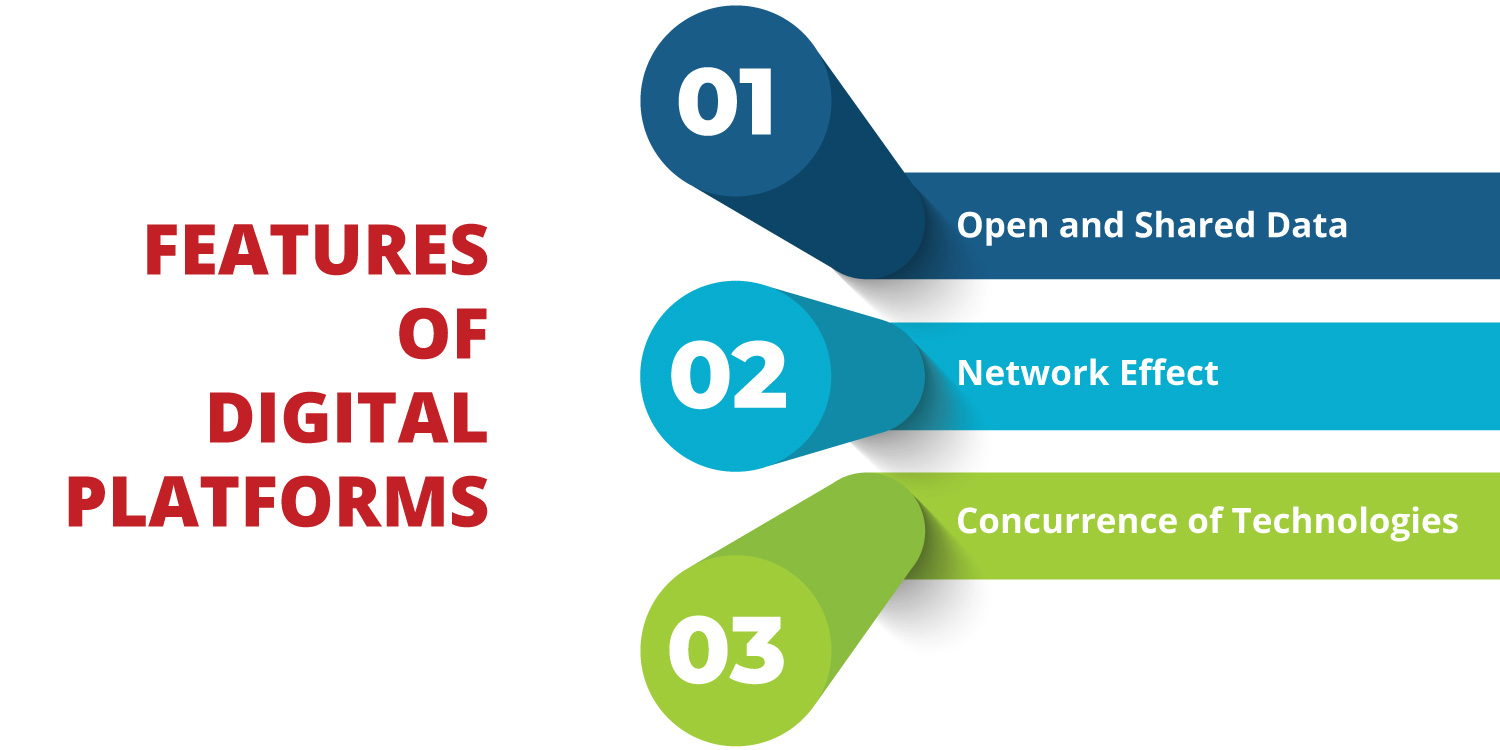
Key Features of a Digital Platform
-
Connectivity: Links multiple users or systems in real-time
-
Scalability: Can grow to support millions of users
-
Interactivity: Allows users to engage, transact, or collaborate
-
Automation: Many tasks are managed by software with minimal human input
-
Data Driven: Platforms collect and analyze user data to improve services
Common Types of Digital Platforms
1. E-commerce Platforms
-
Examples: Amazon, Shopify, eBay
-
Purpose: Buying and selling goods or services online
2. Social Media Platforms
-
Examples: Facebook, Instagram, LinkedIn
-
Purpose: Connecting people, sharing content, building communities
3. Content Streaming Platforms
-
Examples: YouTube, Netflix, Spotify
-
Purpose: Delivering digital media like video, music, or podcasts
4. SaaS Platforms (Software as a Service)
-
Examples: Zoom, Google Workspace, Canva
-
Purpose: Providing software access via internet without installation
5. Marketplace Platforms
-
Examples: Airbnb, Uber, Fiverr
-
Purpose: Connecting service providers with customers
6. Educational Platforms
-
Examples: Coursera, Udemy, Khan Academy
-
Purpose: Providing online learning and training
Why Are Digital Platforms Important?
Digital platforms are changing how the world works. Here are some major reasons they matter:
-
Global Reach: Connect users from all over the world instantly
-
Lower Costs: Reduce the need for physical infrastructure
-
Faster Operations: Automate processes for quicker delivery
-
Customer Insights: Use data to personalize user experience
-
Innovation Hub: Enable startups and creators to build digital products easily
How Businesses Use Digital Platforms
-
Marketing: Run ads and track performance using platforms like Google Ads or Meta Business Suite
-
Sales: Sell products or services through Shopify or Amazon
-
Communication: Use platforms like Slack or Microsoft Teams
-
Customer Service: Use tools like Zendesk or Intercom
-
Remote Work: Collaborate with teams using Zoom, Trello, or Asana
Real-World Example: Uber as a Digital Platform
Uber is a digital platform that connects drivers (service providers) with riders (customers) using a mobile app. It uses GPS, payment processing, data analytics, and user ratings — all within a seamless digital interface.
Future of Digital Platforms
In 2025 and beyond, digital platforms will:
-
Use more AI and automation
-
Integrate with blockchain and Web3
-
Offer deeper personalization
-
Support remote work and global teams
-
Help small businesses grow faster online
Conclusion
A digital platform is much more than just a website or an app. It is a powerful system that brings people, technology, and data together to create value. Whether you’re a user, business owner, or developer — understanding how digital platforms work is essential for success in the modern digital world.