


Esports vs. Traditional Sports Betting
The betting world in India is changing fast. Cricket bets once dominated conversations about odds and predictions. Today, another competitor is entering the field: esports betting. Young people in India are not just watching tournaments like Dota 2 or Counter-Strike. They are also staking money on them, just like fans of the Indian Premier League (IPL) cricket do on their favorite teams.
This shift raises a clear question. Which type of bets appeals more to India’s new generation — the familiar traditions of cricket and football or the fast-paced world of competitive gaming? The answer is not simple because both traditional sports and esports betting hold unique attractions.
The Pull of Traditional Sports Betting
Traditional sports betting has long roots in India. Cricket, especially the IPL, remains a national obsession. Placing bets on cricket matches is tied to cultural rituals: family gatherings, friendly debates, and a sense of shared passion that stretches across generations. For many, placing a bet on a cricket match feels natural because it is part of a bigger cultural fabric.
Another strength of traditional sports betting lies in the trust factor. People know how cricket works. They understand overs, runs, and wickets. Football, tennis, and kabaddi also follow familiar structures that even casual fans can grasp. When the rules of the game are clear, placing bets on outcomes feels less risky.
But there are limits. Younger audiences sometimes see traditional sports betting as repetitive or predictable. The odds are familiar, and the rhythm of the games is slower compared to the digital energy of esports.
The Rise of Esports Betting
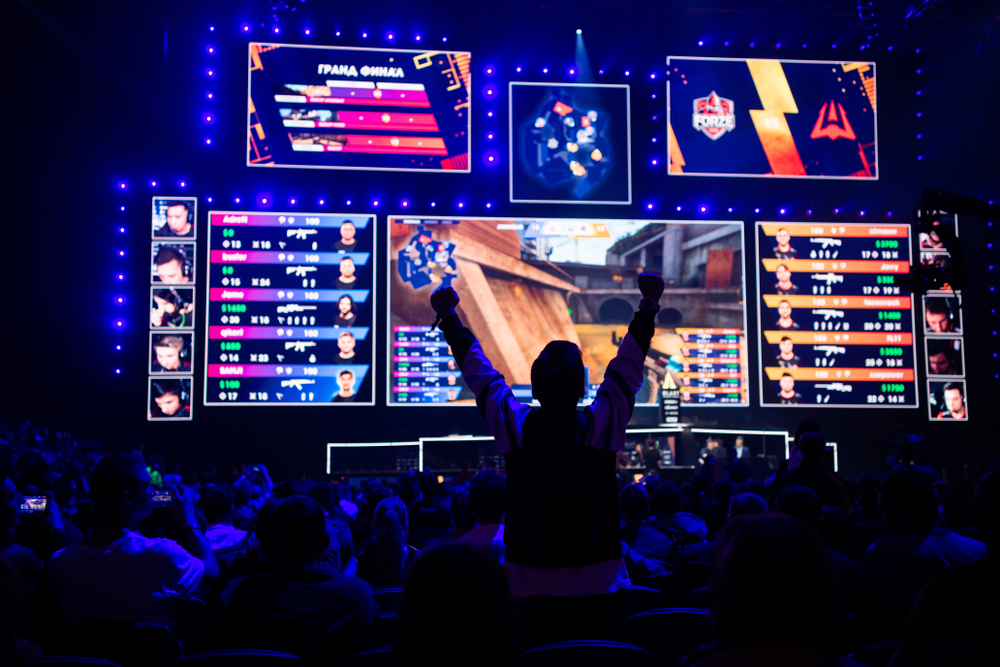
Esports betting speaks directly to India’s digitally native generation. These are players and fans who spend hours on mobile games, PC setups, and streaming platforms. For them, watching a professional gamer compete in Valorant or League of Legends feels as exciting as a cricket final.
This new form of engagement offers fast, dynamic matches filled with unexpected twists. Placing bets adds another layer of intensity, which allows fans to turn their gaming knowledge into predictions that carry real stakes. The esports betting scene is also highly global. Indian fans can wager on tournaments happening across Europe, North America, or Asia, which makes the experience feel borderless and modern.
Yet esports betting faces its own hurdles. Regulations in India remain unclear. Many older audiences still view it as less legitimate compared to cricket or football. The lack of consistent legal recognition creates hesitation, even for enthusiastic players.
Why India’s New Generation Is Divided
India’s young population is not uniform in preference. Some favor the legacy and structure of traditional sports, while others gravitate toward the novelty of esports. The divide often comes down to lifestyle and exposure.
Students and young professionals who grew up in cricket-loving families often maintain that connection. Their betting choices reflect loyalty to the games they grew up watching. Meanwhile, digital-first youth who spend more time on Twitch or YouTube Gaming naturally lean toward esports. For them, placing bets on virtual sports feels more relevant to their daily lives.
A mix of cultural attachment and digital curiosity keeps both options alive. Neither dominates entirely, but each attracts a distinct crowd.
The Role of Technology and Access
The growth of both traditional and esports betting depends heavily on technology. Mobile apps, instant payment systems, and live updates make it easier for bettors to place wagers and track outcomes. The experience has become more seamless than ever before.
Esports has an edge here because it lives online. Streams are available 24/7, with chat features and live commentary that enhance the atmosphere. Traditional sports still rely on scheduled broadcasts, although live apps like JioHotstar are helping bridge the gap.
The convenience of access plays a key role in what appeals to younger bettors. A cricket match may take hours, while an esports match often finishes in less than an hour. For a generation that values speed and instant results, this difference matters.
Social Factors That Shape Choices
Placing bets is rarely a solo act. Social influence determines much of what people choose. Traditional sports betting thrives on shared enthusiasm during family gatherings or in college hostels. Cricket bets spark debates and friendly challenges.
Esports betting creates communities, too, but in a different way. Instead of physical gatherings, fans interact on Discord servers, Reddit threads, and live streams. The sense of belonging is still strong, but it is more digital than physical.
This contrast shows how culture and technology merge to shape betting preferences. The offline world favors cricket, while the online space supports esports.
Benefits and Drawbacks of Both
Each type has its own strengths and weaknesses that appeal to different personalities. Here are the main points that stand out:
- Traditional sports betting: Deeply tied to Indian culture, easy to understand, trusted, but sometimes slow or predictable.
- Esports betting: Fast-paced, global, highly engaging for digital natives, but faces legal and recognition challenges.
These contrasts explain why neither form fully overshadows the other. Instead, they coexist and attract audiences with different needs.
The Future of Betting in India: Old Meets New
India’s new generation stands at a crossroads between old and new. Traditional sports still appeal to those who value culture and familiarity, while esports captures the imagination of digital-first youth who want speed, excitement, and global access. Both forms are here to stay, and both reflect different sides of the changing identity of India.