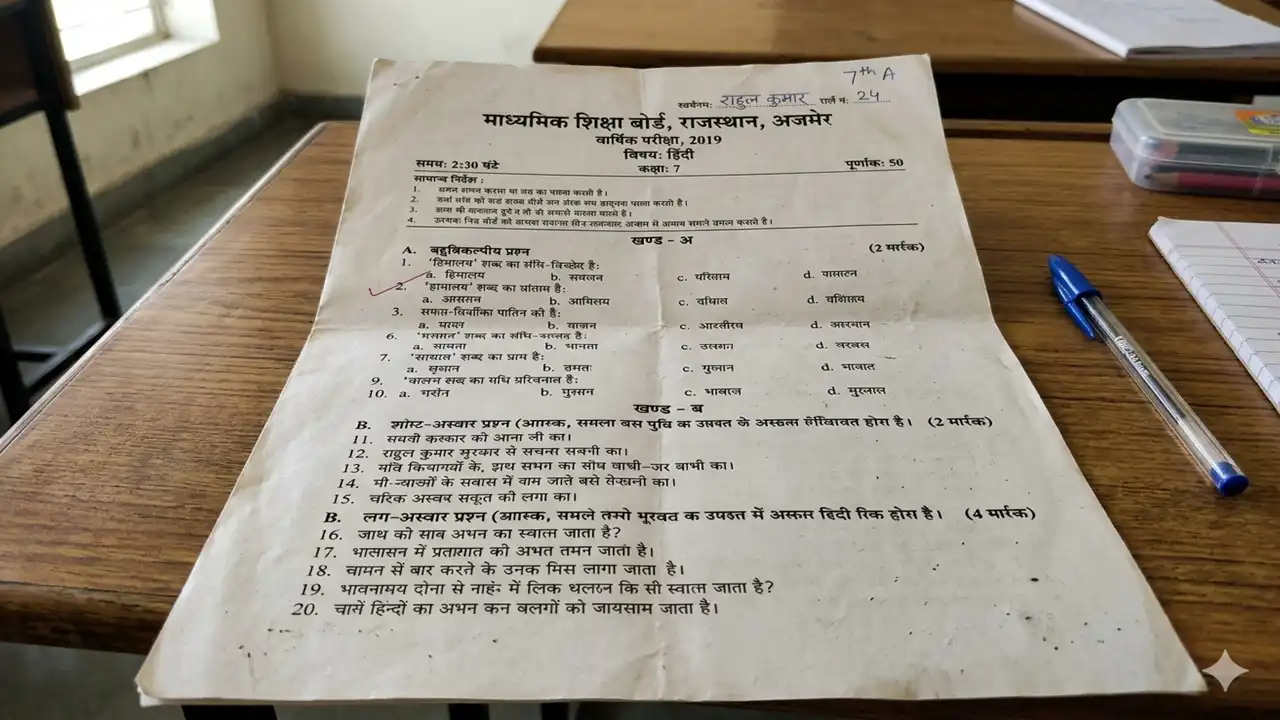
Panic swept across social media platforms this morning as a viral PDF circulated rapidly among WhatsApp groups. If you received the india war lockdown notice, you are probably wondering if the government is actually shutting down the nation.
Our team investigated the sudden surge in anxiety surrounding these alarming claims.
We found the truth is far less dramatic than the digital rumors suggest.
Key Takeaways
- The viral document is completely fake and originated as a misguided April Fool’s prank.
- Official sources confirm that no emergency protocols have been activated due to global conflicts.
- Experts recommend verifying inflammatory claims before forwarding them to friends and family.

Why is this specific hoax spreading so incredibly fast?
The digital landscape remains dangerously vulnerable to fast-moving misinformation.
Early today, thousands of concerned citizens began forwarding a highly official-looking document.
This fabricated memo falsely claimed that strict curfew measures were imminent across all major states.
Panic escalated rapidly because the forgery successfully mimicked standard government letterheads and formatting.
Our analysis suggests that the timing of this coordinated hoax intentionally played on genuine geopolitical anxieties.
You can read more about tracking digital footprints in our recent cybersecurity overview.
The ongoing international tensions between the US, Israel, and Iran provided the perfect psychological backdrop for public fear.
However, swift action from state authorities helped to mitigate the initial wave of confusion.
According to a recent briefing by the Press Information Bureau, there is absolutely zero truth to the circulating PDF.
The Indian government has categorically denied issuing any emergency mandates or national curfews.
It is crucial to remember that official declarations are always broadcast through verified channels first.
The speed of the internet means that lies often travel faster than the truth can catch up.
This incident serves as a stark reminder of our collective vulnerability to digital manipulation.
We found that localized panic buying even started in a few isolated neighborhoods before the truth emerged.
Misinformation campaigns like this one drain valuable resources from local law enforcement agencies.
If you look closely, official government communications rarely use sensationalized language or bold red warnings.
How do these fake documents manage to trick the public?
Creating a convincing forgery no longer requires sophisticated graphic design skills.
Bad actors use basic software to alter legitimate notices from past events.
They often change dates, modify signatures, and insert inflammatory language to guarantee maximum shares.
We observed that this particular file contained subtle grammatical errors that exposed its fraudulent nature.
Many readers bypass critical thinking when they feel their physical safety is directly threatened.
This psychological blind spot is exactly what pranksters rely on to achieve internet virality.
For an in-depth look at regional stability, see our 2026 geopolitical analysis.
Global watchdog organizations note that misinformation spikes predictably during times of international conflict.
The World Health Organization regularly publishes data on the harmful real-world impacts of digital rumors.
Anxiety-driven sharing algorithms on platforms like WhatsApp make it difficult to contain viral lies.
People naturally want to warn their loved ones when they perceive an imminent threat.
This well-intentioned behavior inadvertently does the work for the malicious actors who created the file.
What do the actual authorities say about the current situation?
The accessibility of sophisticated digital tools will only continue to increase in the coming years.
Our experts believe that public awareness campaigns are the only long-term solution to this growing problem.
We must build a cultural habit of skepticism when encountering unverified breaking news online.
National security remains stable despite the troubling headlines dominating international news feeds.
Ministry representatives confirmed that daily life and commerce will proceed without any interruption.
We strongly advise citizens to rely exclusively on primary sources for critical updates.
The cybercrime division at the [suspicious link removed] is attempting to trace the original IP address of the uploaded PDF.
Industry insiders are noting that punitive actions may be taken against the original creators of the document.
Spreading panic through forged government documents is a punishable offense under current technology laws.
If you want to understand how to spot these fakes yourself, consult our fact-checking resource.
International fact-checkers at Reuters Fact Check have also flagged the document as entirely false.
The fake notification clearly exploited the April 1st date to generate widespread chaos.
Unfortunately, many well-meaning individuals fell for the prank before realizing the calendar date.
The digital ecosystem requires everyone to act as an independent verification checkpoint.
Authorities are pleading with the public to stop giving oxygen to these baseless rumors.
Local police departments have already issued advisories warning against the further distribution of the file.
We observed a significant drop in the document’s circulation once these warnings were widely publicized.
It takes a coordinated community effort to stop a viral hoax dead in its digital tracks.
What does this mean for the average smartphone user?
Below is a simple comparison of how to identify real versus fake government notifications.
You must slow down before hitting the forward button on any alarming message.
| Feature | Authentic Government Notice | Fake Viral Document |
| Publication Channel | Official government websites | Anonymous social media forwards |
| Language Style | Formal, precise, and objective | Sensationalized and urgent |
| Verifiability | Cross-referenced by news outlets | Ignored by reputable networks |
Always take a moment to perform a quick keyword search on a major search engine.
If a national emergency were truly declared, every major news network would carry the live broadcast.
You would not find out about a national shutdown through a random PDF in a family group chat.
We recommend pausing to assess the credibility of the sender and the context of the message.
The Ministry of Electronics and Information Technology frequently updates citizens on digital hygiene practices.
Staying informed through reliable platforms is your best defense against manufactured panic.
Make sure to bookmark our official government updates portal for verified news alerts.
What steps should you take next to protect yourself and your community?
- Delete the fake PDF immediately to prevent accidental sharing.
- Inform the person who sent it to you that the information has been officially debunked.
- Rely on verified news applications rather than unvetted social media groups.
- Check official handles of state police or federal ministries for real-time announcements.
Our team will continue to monitor the digital space for emerging trends and deceptive campaigns.
We remain committed to delivering accurate reporting in an era of rapid information exchange.
Do not let an irresponsible internet prank disrupt your daily routine or peace of mind.
Stay vigilant, stay informed, and always question the source of explosive claims.
We encourage our readers to actively participate in stopping the spread of fake news.
Keep checking reliable sources like our daily news digest, and do not let fear dictate your online behavior.