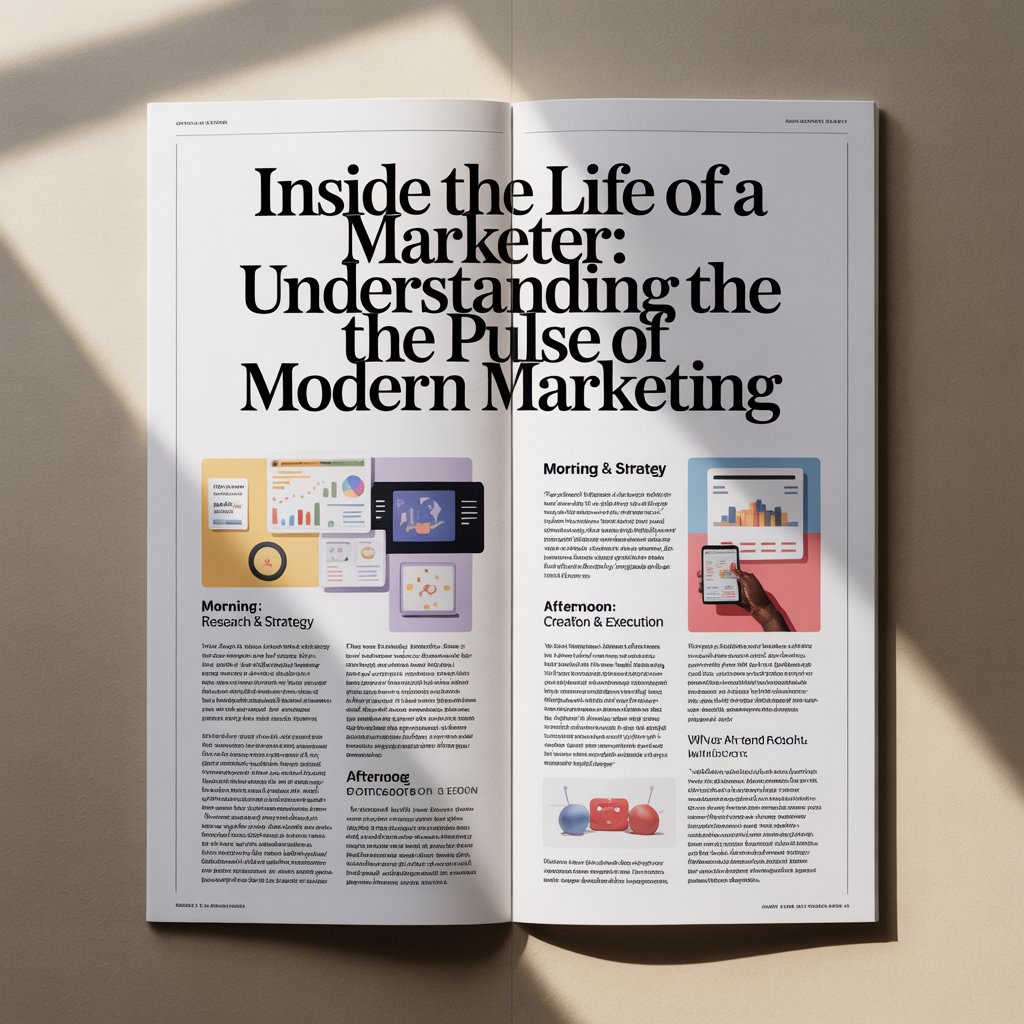
Understanding the Pulse of Modern Marketing
The life of a marketer is a blend of creativity, analysis, and constant adaptation. Every day brings new challenges, shifting trends, and opportunities to connect with audiences in meaningful ways. Unlike traditional office roles with predictable routines, a marketer’s day often depends on the campaigns they’re running, the data they’re reviewing, or the deadlines approaching. Marketing has evolved from print ads and billboards into a highly digital, data-driven discipline that touches nearly every aspect of business growth. Whether managing a social media launch, refining a website’s SEO strategy, or coordinating a cross-platform campaign, marketers live at the intersection of creativity and commerce.
What defines a marketer’s day isn’t just the work itself—it’s the mindset. Marketers must constantly balance storytelling with strategy. They are tasked with understanding what makes people tick, what grabs attention, and what motivates action. This requires a blend of psychology, communication skills, and technological fluency. In many ways, marketing professionals are modern-day translators, turning company goals into messages that resonate with real people. They must communicate authenticity while driving measurable results, a balance that requires both intuition and precision. The constant need to stay ahead of trends and technologies means that no two days are ever quite the same.
The Morning: Research, Strategy, and Organization
A typical day for a marketer often begins with analysis. Before launching into creative tasks, most professionals review performance data from ongoing campaigns—checking website traffic, engagement rates, conversions, and other key performance indicators. This data helps them understand what’s working and where adjustments are needed. Marketers rely heavily on digital tools and dashboards, using analytics platforms to track metrics in real time. This early research phase ensures that the rest of the day’s decisions are informed by evidence rather than guesswork.
After reviewing data, marketers often turn their attention to planning and strategy. They may meet with their teams or clients to align on goals, timelines, and creative direction. Brainstorming sessions are common, where ideas are pitched and refined into actionable plans. Collaboration is a constant part of marketing life—writers, designers, analysts, and managers all play roles in shaping campaigns. Communication skills are vital, as marketers often bridge the gap between creative and business-oriented departments. By late morning, the focus usually shifts from planning to execution, where strategy transforms into tangible output.
For some marketers, mornings are also when they keep up with industry news and competitor activity. The marketing landscape changes quickly—new algorithms, consumer behaviors, and digital tools can redefine best practices overnight. Staying informed is essential. Whether reading thought leadership articles, watching webinars, or browsing social trends, marketers dedicate time each day to learning. Continuous education is a nonnegotiable part of the profession because success depends on anticipating, not reacting to, change.
The Afternoon: Creating, Executing, and Optimizing
Once the groundwork is set, afternoons are typically dedicated to creation and execution. This is when campaigns come to life—content is written, ads are designed, emails are scheduled, and social posts are queued. The creative process varies depending on the marketer’s specialty. Content marketers may spend their afternoons drafting blog posts, editing videos, or developing infographics. Digital marketers might focus on keyword research, ad placement, or A/B testing. Brand managers could be reviewing creative assets or collaborating with agencies to ensure consistent messaging. Every marketer contributes to the larger narrative that defines how a brand communicates with its audience.
One area that often defines modern marketing efforts is content creation. Businesses today rely heavily on storytelling to engage audiences, which has made content a cornerstone of every marketing strategy. Many organizations now partner with professionals who specialize in content marketing services—agencies or experts who plan, produce, and distribute high-quality digital materials. These services allow businesses to maintain consistency, creativity, and data-driven performance without overburdening internal teams. For marketers, working alongside content marketing services means gaining access to skilled writers, designers, and SEO strategists who help elevate campaigns. The collaboration ensures that every piece of content—whether a social post or an in-depth article—aligns with brand goals and audience interests.
During execution, marketers also engage in constant testing and optimization. Campaigns are rarely perfect on the first attempt, so professionals regularly tweak messaging, visuals, or targeting strategies based on real-time feedback. This iterative process requires patience and adaptability. Marketers analyze engagement rates, adjust budgets, and experiment with new approaches to maximize results. It’s a dynamic process that rewards creativity and curiosity. Successful marketers view every campaign as a living experiment—an opportunity to learn and improve.
The Evening: Communication and Reflection
As the day winds down, marketers often shift their attention toward communication and analysis. They respond to client feedback, prepare reports for stakeholders, or collaborate with other teams to coordinate next steps. Many work in fast-paced environments where campaigns overlap, meaning they must juggle multiple projects at once. Strong time management and prioritization skills are essential. Evenings might also involve creative reviews, where teams evaluate the day’s output and make final adjustments before campaigns go live.
Reflection is another important part of a marketer’s day. Reviewing performance metrics or debriefing after a campaign provides insight into what succeeded and what didn’t. These reflections guide future decisions, helping marketers refine their strategies over time. Unlike other fields, marketing requires a constant cycle of testing, measuring, and adapting. There’s no “one-size-fits-all” formula for success. What works today might not work tomorrow, and the best marketers embrace that uncertainty as part of the job.
Another hallmark of a marketer’s daily life is communication beyond office walls. Many professionals manage brand engagement on social media, responding to comments, messages, and mentions well into the evening. Maintaining a brand’s online presence requires attentiveness and authenticity. Consumers expect timely and genuine interactions, which means marketers must balance professionalism with empathy. Even outside regular hours, the pulse of marketing continues through digital channels that never truly sleep.
The Human Side of Marketing
Despite its technical and analytical aspects, marketing remains a deeply human field. At its heart, it’s about understanding people—their desires, frustrations, and motivations. Every strategy, campaign, and headline is crafted with one goal: connection. This human element makes marketing both rewarding and demanding. It requires emotional intelligence, creativity, and resilience. Marketers often face tight deadlines, shifting client expectations, and the pressure to deliver measurable results. Yet the satisfaction of seeing a campaign succeed—of watching a message resonate and drive action—makes the challenges worthwhile.
Behind every advertisement, email, and social post is a marketer who has poured time and thought into making it effective. They are the unseen architects of perception, shaping how audiences view brands and interact with them. Their success relies not only on technical skill but also on adaptability and empathy.
A Profession of Constant Evolution
The daily life of a marketer may seem hectic, but it’s also exciting and full of variety. No two days are identical, and that’s part of the appeal. The field is in constant motion, evolving alongside technology and culture. As artificial intelligence, automation, and data analytics continue to reshape the industry, marketers must remain flexible and forward-thinking. Those who succeed are the ones who combine creativity with curiosity—who see every challenge as a chance to innovate.
In many ways, marketing mirrors life itself: unpredictable, fast-paced, and full of growth potential. It’s a profession that rewards learning, passion, and persistence. And as companies continue to depend on storytelling and customer engagement to build trust, marketers will remain at the heart of that conversation—crafting the messages that move the world forward, one campaign at a time.