


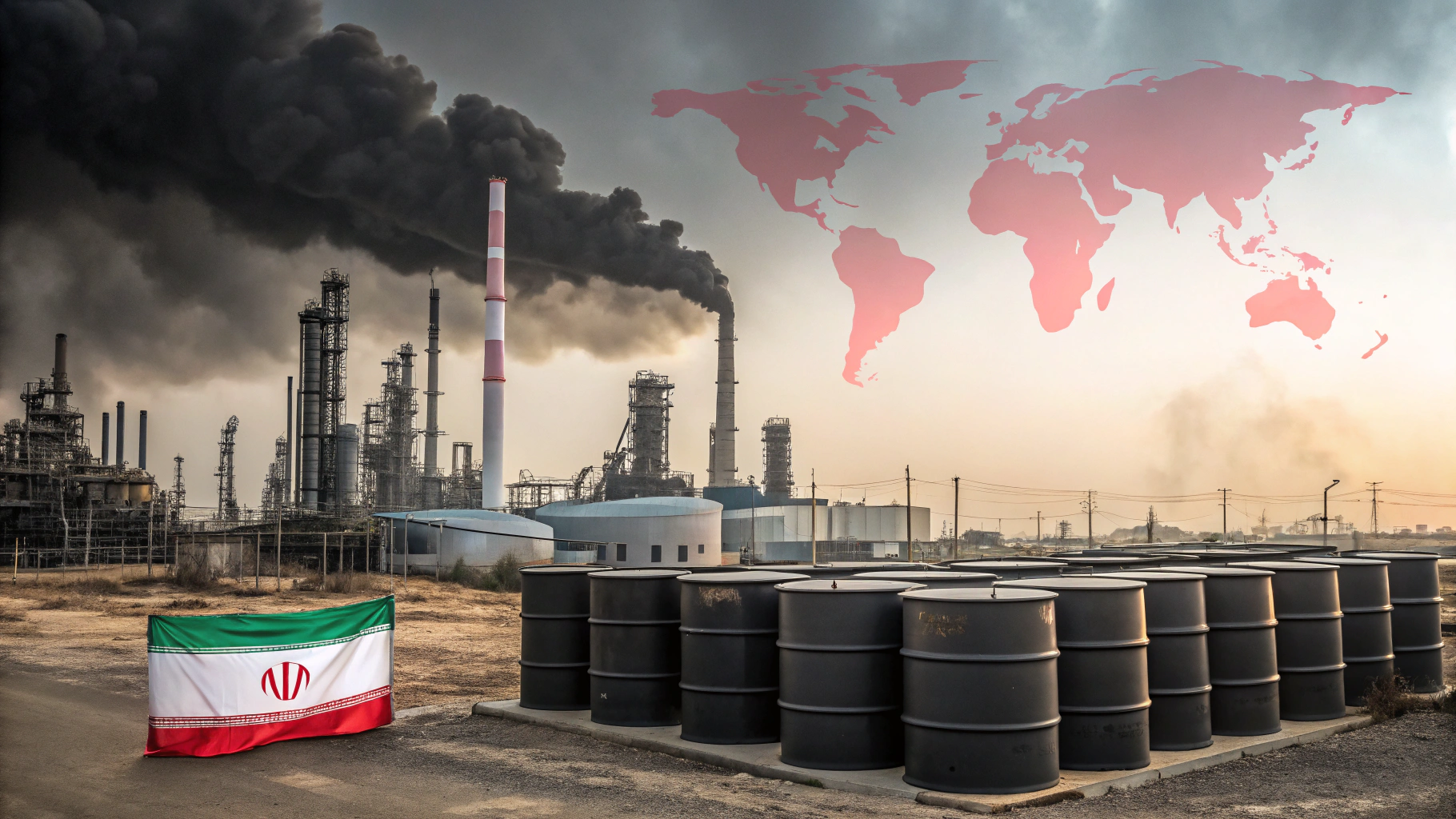
As the conflict between Israel and Iran escalates, global oil prices have entered a period of intense volatility. With fears of supply disruption in the Middle East—the heart of the world’s oil production—oil prices have been fluctuating dramatically. This tension has caused uncertainty not only for traders and investors but also for everyday consumers and businesses worldwide.
In this article, we break down why oil prices are so unstable right now, what the Israel–Iran conflict has to do with it, and what experts say could happen next.
Why Is Oil So Sensitive to Middle East Conflicts?
The Middle East is home to some of the largest oil-producing countries, including Iran, Iraq, Saudi Arabia, and the United Arab Emirates. A large portion of the world’s crude oil passes through the Strait of Hormuz—a narrow waterway between Iran and Oman. Any potential military action or blockades in this region can immediately impact the global oil supply.
This is exactly why any conflict in this area, particularly one involving Israel and Iran, sends shockwaves through the energy markets.
Timeline of the Israel–Iran Conflict and Oil Price Spikes
The current phase of the Israel–Iran conflict began in early 2024, when a series of cyberattacks and drone strikes raised tensions. By mid-2025, the situation has worsened, with direct military engagements, attacks on infrastructure, and threats to oil tankers in the Persian Gulf.
Here’s how oil prices have responded:
- January 2025: Brent crude was trading at around $78 per barrel.
- April 2025: After Iran threatened to close the Strait of Hormuz, prices surged to $96 per barrel.
- June 2025: Ongoing skirmishes caused prices to swing between $90–$100, with daily fluctuations up to 5%.
Key Factors Behind the Volatility
Several major reasons are contributing to this oil market instability:
1. Supply Concerns
Iran exports around 1.5 million barrels of oil per day. If sanctions tighten or oil infrastructure is targeted, this supply could vanish overnight. Similarly, retaliatory attacks on Israel or Saudi allies could provoke countermeasures impacting broader Middle East production.
2. Shipping Disruptions
The Strait of Hormuz handles over 20% of global oil shipments. Any military activity in this zone could disrupt these flows, causing panic among global buyers.
3. Speculation and Market Psychology
Oil traders often respond to news with emotion rather than logic. Even small developments—like a military statement or a rumored attack—can cause huge price swings as investors rush to buy or sell futures contracts.
How This Affects You: Fuel Prices, Inflation, and Economy
When oil prices rise, fuel costs follow. In the past three months alone, gasoline prices in the U.S. have climbed by 15%, with similar trends seen in Europe and Asia. This affects not just drivers, but also airlines, shipping companies, and manufacturers.
Here’s what rising oil prices mean for everyday consumers:
- Higher fuel costs for cars, buses, and trucks
- Increased airfares due to costlier jet fuel
- More expensive goods as transport and production costs rise
- Inflation pressure, putting strain on global economies already recovering from previous shocks
What Experts Are Saying
Oil analysts and energy economists are closely watching the situation. Here are some insights:
- Goldman Sachs predicts oil could reach $120 per barrel if the Strait of Hormuz is completely blocked.
- IEA (International Energy Agency) warns that sustained conflict may reduce oil supply by 3–5 million barrels per day.
- OPEC+ countries may attempt to stabilize prices, but geopolitical uncertainty limits their ability to control the market.
Can the World Reduce Its Dependence on Middle Eastern Oil?
This crisis has renewed calls for diversifying energy sources. Countries are looking into:
- Increasing strategic petroleum reserves (SPRs)
- Expanding production in the U.S. (shale oil) and Canada
- Investing more in renewables like solar, wind, and green hydrogen
- Exploring alternate shipping routes, though most remain impractical in the short term
Still, the world remains deeply reliant on Middle Eastern oil, at least for now.
Possible Outcomes: What Comes Next?
There are a few likely scenarios:
- Escalation: If Israel and Iran engage in a full-scale war, oil prices could skyrocket, potentially crossing $120 per barrel.
- Diplomatic Breakthrough: If international mediation reduces tensions, markets may stabilize, and prices could fall to $80–$85.
- Ongoing Uncertainty: The most probable outcome, where periodic violence and threats keep prices unstable through 2025.
What Should Investors and Businesses Do?
For investors, this may be the time to:
- Monitor oil-related ETFs or stocks like ExxonMobil, Chevron, or TotalEnergies
- Stay updated on geopolitical developments from credible sources
- Consider hedging strategies if their portfolios are sensitive to energy prices
For businesses, especially those in transportation, logistics, or manufacturing:
- Lock in fuel contracts to reduce future cost uncertainty
- Reevaluate supply chains and delivery models
- Invest in energy-efficient practices and alternative fuels
Conclusion: A Volatile Road Ahead
The Israel–Iran conflict has added new layers of uncertainty to an already fragile global energy landscape. As the world watches how events unfold, oil prices are expected to remain volatile, driven by both real supply disruptions and the fear of what could come next.
Whether you’re a consumer, investor, or policymaker, staying informed and prepared is the best way to navigate the complex and volatile oil market.
Frequently Asked Questions:
1. Why do oil prices go up during Middle East conflicts?
Because many oil-producing nations are in the region, any disruption to supply or shipping routes causes immediate global concern.
2. How does the Israel–Iran conflict impact fuel prices in other countries?
Rising global oil prices increase the cost of gasoline, diesel, and jet fuel worldwide, affecting consumer prices and inflation.
3. Can the world stop relying on Middle Eastern oil?
Not immediately. While countries are investing in renewables, the global energy system still heavily depends on oil from this region.
4. What happens if the Strait of Hormuz is blocked?
A blockage could cut off 20% of the world’s oil supply, leading to extreme price hikes and major global economic disruption.
5. How long will this oil price volatility last?
It depends on the conflict. If tensions ease, prices may stabilize. But if the situation worsens, volatility could persist throughout 2025 and beyond.
For more information Visit Bharatinformation.org