

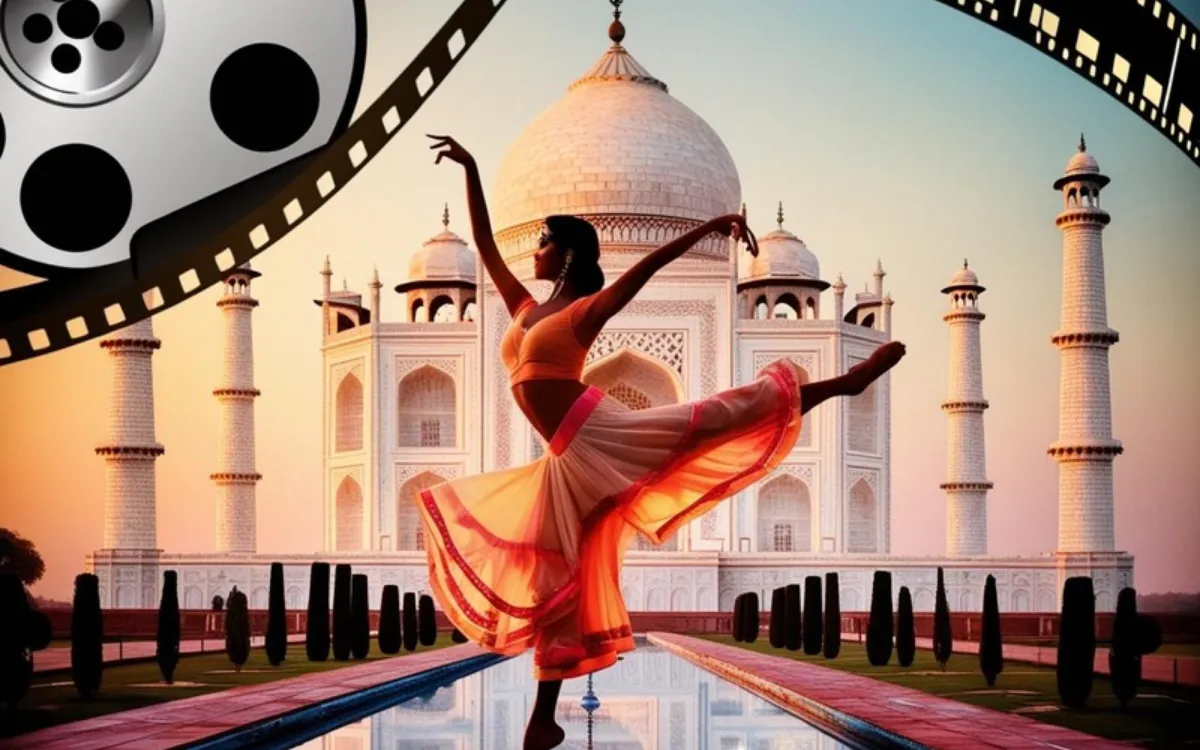
Hindi cinema, often referred to as Bollywood, is not just an entertainment industry—it’s an emotional lifeline for millions. It transcends screens to influence culture, language, music, fashion, and even societal values. From the silent-era films of the 1910s to today’s high-budget digital releases, Hindi cinema has evolved tremendously. And in 2025, it stands at a fascinating crossroads of tradition, technology, and global appeal.

Let’s dive into the seven unbelievable truths that define the current face of Hindi cinema.
1. Hindi Cinema’s Global Expansion
How Hindi Cinema Is Winning International Audiences
Once limited to the Indian subcontinent and NRI hubs, Hindi cinema is now a global force. Bollywood blockbusters like Dangal, RRR, Jawan, and Pathaan have smashed box office records not only in India but also in countries like China, the UAE, the USA, and even Japan.
Thanks to international film festivals like Cannes, Toronto International Film Festival (TIFF), and Berlinale, Hindi films are getting critical acclaim and global recognition. Streaming platforms have also helped Hindi cinema find fans in non-Hindi speaking regions. Subtitles, dubbing, and multilingual releases ensure viewers in Spain, Brazil, South Korea, and Germany enjoy Bollywood just as much.
Moreover, stars like Priyanka Chopra Jonas, Irrfan Khan, and Alia Bhatt are actively bridging the gap with Hollywood. Cross-border collaborations are becoming common, proving that Bollywood is not just local—it’s global.
2. The Evolution of Storytelling in Hindi Cinema
From Masala Films to Social Drama
Gone are the days when Bollywood was defined only by melodrama, long songs, and unrealistic action. Today’s audiences demand stories that are rooted in realism, social relevance, and emotional authenticity.
Films like Article 15 tackle caste discrimination, Pink addresses consent and gender rights, while Thappad questions patriarchy within marriage. Even love stories have evolved—Tamasha, Dear Zindagi, and Barfi! show complex emotional journeys and mental health perspectives.
This shift has also allowed for bolder experimentation in genre. From psychological thrillers (Andhadhun) to biographical dramas (MS Dhoni, Sanju), Hindi cinema is embracing complexity, diversity, and nuance in storytelling like never before.

3. Hindi Cinema’s Digital Revolution
OTT Platforms Are Changing the Game
With the digital boom, platforms like Netflix, Amazon Prime Video, Disney+ Hotstar, and SonyLIV have become game-changers. They’ve redefined what it means to be a “hit,” allowing content to bypass traditional box office bottlenecks.
Movies such as Bulbbul, Ludo, Guilty, and Darlings premiered directly on OTT platforms and received both critical acclaim and mass viewership. Web series like Sacred Games, Paatal Lok, and Mirzapur have set new benchmarks in cinematic storytelling—rich plots, bold themes, and phenomenal performances.
Digital platforms also democratize the industry—new actors, directors, and writers get a platform to shine without the need for big banners. This inclusivity is shaping a fresher, braver version of Hindi cinema.
4. Women in Hindi Cinema: Breaking Stereotypes
Female Leads and Directors Making Waves
One of the most powerful shifts in recent years is the rise of strong women characters and female filmmakers in Bollywood. No longer are women confined to playing love interests or damsels in distress.
Leading ladies like Vidya Balan, Kangana Ranaut, Taapsee Pannu, and Alia Bhatt are carrying films on their shoulders. Movies such as Kahaani, Raazi, Thappad, and Gangubai Kathiawadi showcase layered, assertive, and independent women breaking societal molds.
Behind the camera, visionaries like Zoya Akhtar, Meghna Gulzar, Ashwiny Iyer Tiwari, and Gauri Shinde are bringing powerful narratives to life with style and substance. Female presence in writing rooms, cinematography, and production has also increased, signaling a broader shift toward gender equality in Hindi cinema.

5. The Musical Legacy of Hindi Cinema
Why Hindi Cinema Songs Still Rule Hearts
Music has always been the beating heart of Bollywood. Whether it’s the soul-stirring tunes of the 1950s or the high-energy beats of today, music plays a vital role in how stories are told and emotions are conveyed.
From Lag Ja Gale to Kesariya, Hindi film songs continue to dominate playlists and social media trends. Even with changing tastes, the ability of a Hindi film song to convey romance, heartbreak, joy, and devotion remains unmatched.
Composers like AR Rahman, Amit Trivedi, and Pritam keep reinventing the soundscape, while singers like Arijit Singh, Shreya Ghoshal, and Neha Kakkar connect across generations. Bollywood music is not just heard—it’s felt deeply.
6. Hindi Cinema’s Struggle with Censorship
Creative Freedom vs Moral Policing
While Hindi cinema has come a long way in terms of content and representation, censorship remains a persistent obstacle. The Central Board of Film Certification (CBFC) often walks the thin line between regulation and moral policing.
Films such as Udta Punjab (drug abuse), Lipstick Under My Burkha (female sexuality), and Padmaavat (historical interpretation) have faced intense scrutiny, protests, or forced cuts. These incidents highlight an ongoing battle between creative expression and conservative societal expectations.
Even OTT platforms, once free from regulatory shackles, are beginning to face pressure. With new government guidelines and watchdog bodies forming, the industry fears a rollback on hard-earned creative freedoms.
7. The Future of Hindi Cinema
What Lies Ahead for Hindi Cinema?
The future of Hindi cinema is filled with opportunities and challenges. Technology is advancing rapidly, enabling the use of AI, CGI, and VFX to create visually stunning films like Brahmāstra or Adipurush. These tools are redefining visual storytelling and opening up new genres like sci-fi and mythological epics.
International co-productions and regional cinema collaborations are on the rise. The recent pan-India trend—seen in films like KGF, Pushpa, and RRR—is compelling Bollywood to innovate and compete. Multilingual releases and globally-targeted films are becoming standard practice.
However, the industry must also address issues like nepotism, sustainability, piracy, and fair wages. Embracing diversity, technology, and fresh talent will be key to remaining relevant in an ever-evolving entertainment landscape.

Conclusion: Why Hindi-Cinema Still Matters
Despite digital disruption, rising competition, and cultural shifts, Hindi-cinema continues to matter—deeply. It shapes dreams, reflects society, and offers an emotional outlet unlike any other medium.
Be it the grandeur of a Yash Raj romance, the realism of a Neeraj Ghaywan drama, or the adrenaline of a Rohit Shetty action film, Bollywood retains its power to move hearts and minds.
As Hindi cinema adapts to new platforms and global tastes, it also stays rooted in its unique blend of emotion, spectacle, and storytelling. And as long as there’s a story to tell, Hindi cinema will keep shining—bigger, bolder, and more brilliant than ever.
For more information, visit Bharat Information
Images Sourced from Wikipedia