

India, a land rich in history and culture, boasts numerous historical sites that evoke feelings of patriotism and national pride. These sites have inspired countless Desh Bhakti (patriotic) poems, celebrating the sacrifices made by heroes and the beauty of the nation. Bharatinformation shares this information about the most significant historical sites across Bharat (India) that have influenced these powerful literary expressions.
Introduction
The essence of Desh Bhakti poetry lies in its ability to connect the past with the present, inspiring generations to cherish their heritage. Historical monuments serve as reminders of the struggles and sacrifices that shaped the nation.
From majestic forts to serene stupas, each site tells a story that resonates with themes of love for the motherland. In this article, we will explore Basic historical sites in India that have inspired patriotic poetry, examining their significance and the emotions they evoke.
Major Historical Sites
Taj Mahal, Agra
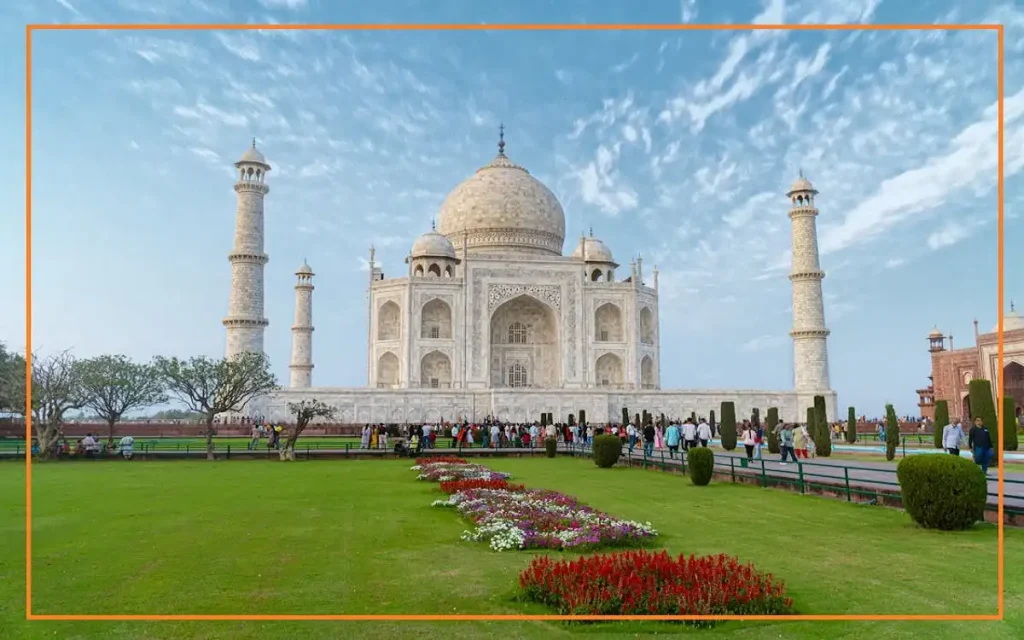
The Taj Mahal, a UNESCO World Heritage Site, is not just an architectural marvel but a symbol of love and sacrifice. Built by Emperor Shah Jahan in memory of his wife Mumtaz Mahal, its beauty inspires pride in Indian heritage.
The grandeur of the Taj Mahal has been captured in various poems celebrating its ethereal beauty and historical significance.
Qutub Minar, Delhi
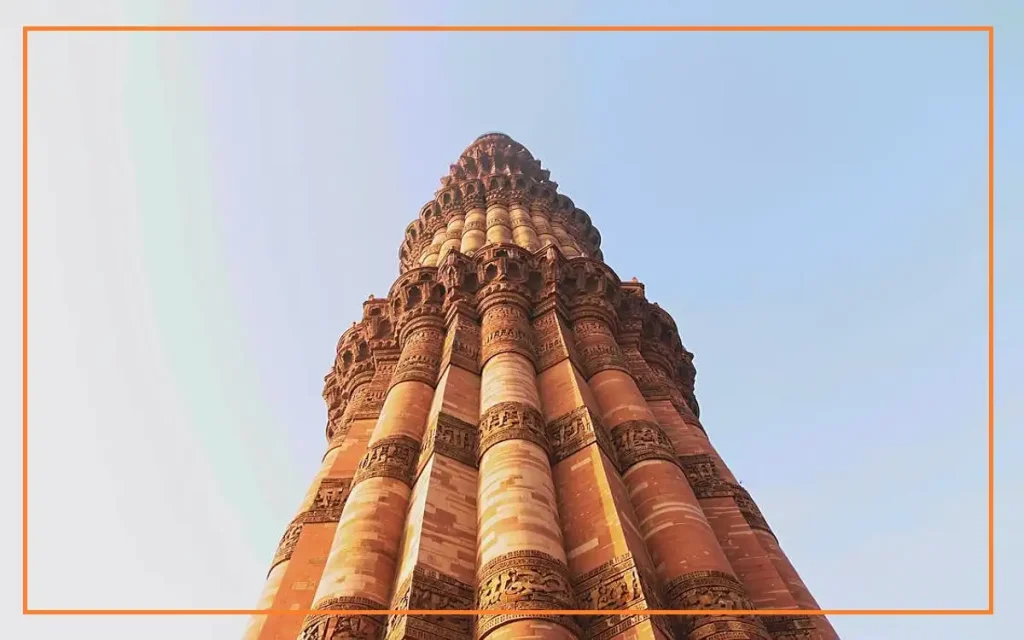
The Qutub Minar stands tall as a testament to India’s rich history and architectural prowess. This towering minaret reflects the diverse cultural influences that have shaped India over centuries. Poets often draw upon its resilience to symbolize the spirit of India, making it a prominent figure in patriotic literature.
Red Fort, Delhi
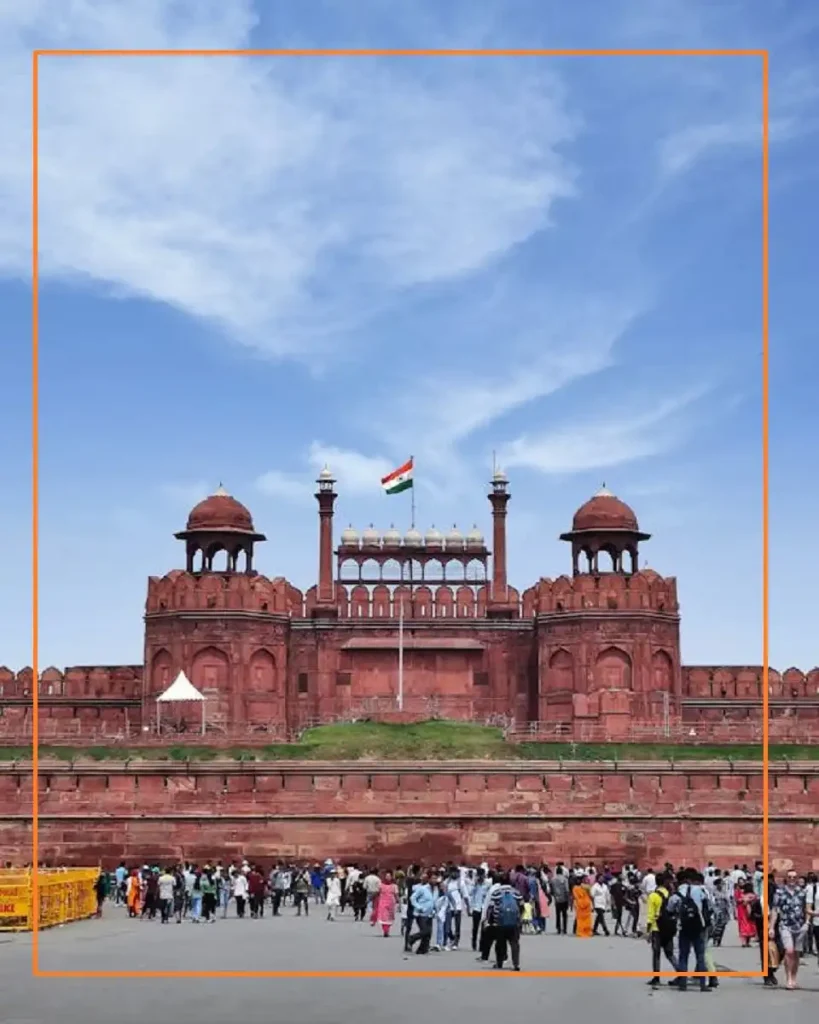
The Red Fort is a powerful symbol of India’s struggle for independence. It is here that the Prime Minister hoists the national flag on Independence Day, marking it as a focal point of patriotic sentiment. Many poems highlight its historical importance and the sacrifices made by freedom fighters who fought for India’s sovereignty.
Sanchi Stupa, Madhya Pradesh
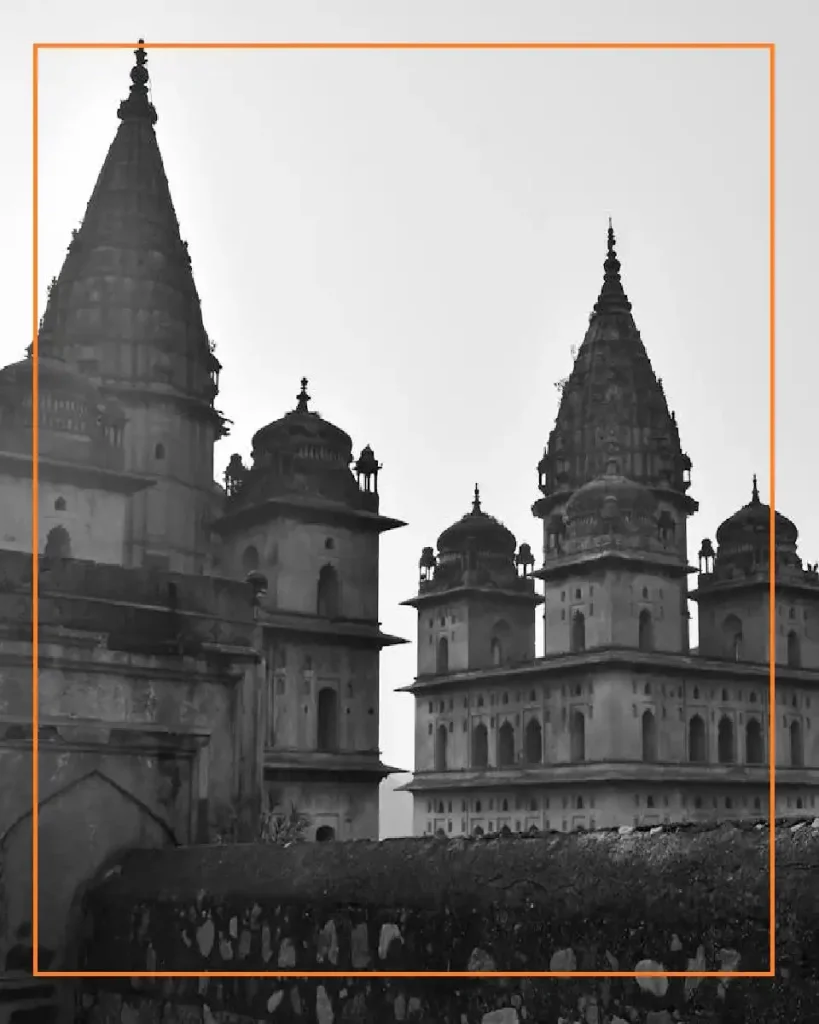
Constructed during Emperor Ashoka’s reign in the 3rd century BC, the Sanchi Stupa represents the spread of Buddhism and reflects India’s historical depth. Its symbolism of peace and enlightenment resonates with ideals of unity and harmony in patriotism.
Poets often reference Sanchi Stupa to evoke feelings of tranquility and reverence for India’s spiritual heritage.
Konark Sun Temple, Odisha
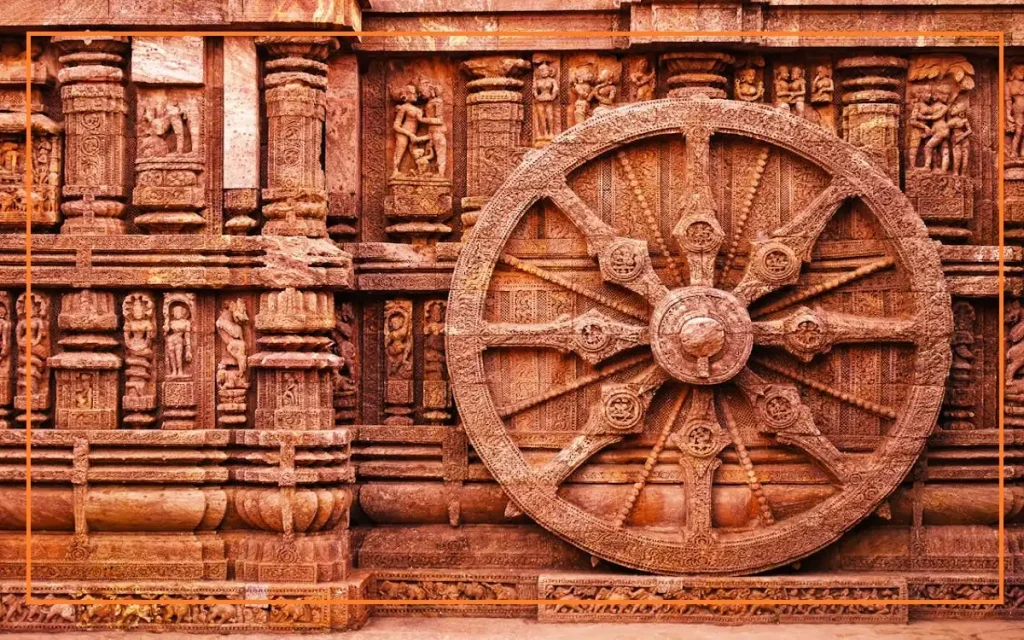
The Konark Sun Temple, dedicated to the Sun God, is renowned for its intricate carvings and architectural brilliance. Designed as a massive chariot with 12 pairs of wheels representing the months of the year, it showcases India’s artistic heritage.
The temple’s beauty inspires poets to celebrate India’s cultural depth and spiritual significance.
Victoria Memorial, Kolkata
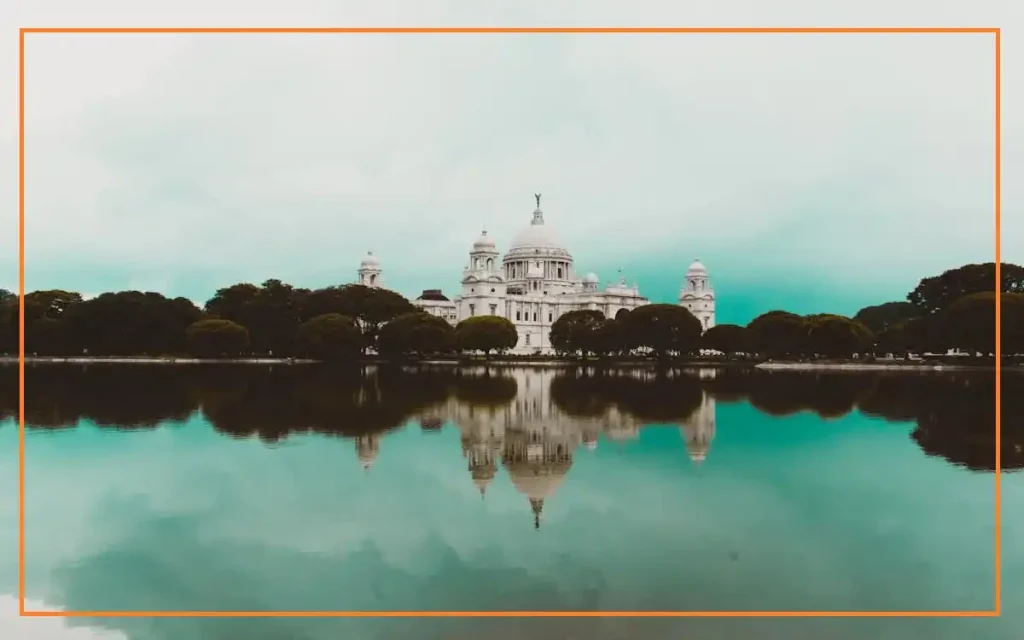
Built during British rule, the Victoria Memorial serves as a museum showcasing India’s colonial history. It reminds visitors of the sacrifices made for independence while also celebrating Indian art and culture.
Many patriotic poems reflect on this memorial as a symbol of resilience against colonial oppression.
Connection to Desh Bhakti Poetry
Historical sites like those mentioned above are not merely tourist attractions; they are powerful symbols that inspire poets and citizens alike to express their love for their nation through poetry. The imagery used in these poems often connects with the grandeur of monuments like the Taj Mahal or the resilience symbolized by Sanchi Stupa.
For instance, lines such as “ऐ मातृभूमि तेरी जय हो” (Hail Motherland) emphasize the sacrifices made by heroes for India’s freedom, reflecting on places like the Red Fort where pivotal moments in history unfolded. Such connections reinforce national pride through their historical narratives.
Architectural Marvel: Konark Sun Temple
The Konark Sun Temple is not only an important religious site but also an architectural masterpiece that holds cultural significance.
Architectural Features
- Chariot Style: The temple is designed as a grand chariot with 12 pairs of wheels representing months and seven horses symbolizing days.
- Kalinga Style Influence: Its architecture showcases elaborate carvings characteristic of Kalinga style.
- Detailed Carvings: The walls are adorned with intricate carvings depicting religious symbols, mythology, and daily life.
- Structure Size: The main courtyard measures approximately 857 feet long and 540 feet wide.
Cultural Significance
The Konark Sun Temple is part of Odisha’s Golden Triangle alongside Jagannath Temple in Puri and Lingaraj Temple in Bhubaneswar. It was declared a UNESCO World Heritage Site in 1984 due to its historical importance.
| Feature | Description |
| Chariot Design | Represents solar chariot with wheels |
| Architectural Style | Kalinga style with intricate carvings |
| Size | 857 ft long x 540 ft wide |
| UNESCO Status | World Heritage Site since 1984 |
Historical Symbols at Victoria Memorial
The Victoria Memorial is not only an architectural gem but also houses numerous important historical symbols reflecting India’s colonial past.
Basic Symbols
- Statue of Queen Victoria: A central bronze statue representing her power.
- Figures of Truth and Justice: Symbolizing core values during her reign.
- Angel of Victory: Installed atop the dome, representing peace.
- Bas-reliefs: Depicting significant events from Queen Victoria’s life.
- Museum Artifacts: Houses galleries showcasing artifacts from Indian history.
The memorial stands as a testament to India’s journey through colonialism while celebrating its rich heritage.
Construction History: Sanchi Stupa
The Sanchi Stupa, built by Emperor Ashoka in Madhya Pradesh during the 3rd century BC, serves as an important example of Buddhist architecture.
Creation History
- Emperor Ashoka’s Contribution: Known for his deep faith in Buddhism; his wife supervised construction.
- Initial Structure: Originally a simple brick structure later covered with sandstone slabs.
- Expansion Over Centuries: Decorated with stone gateways (toranas) depicting Buddha’s life stories.
Architectural Features
- Dome Structure: Represents cosmic Mount Meru in Buddhist cosmology.
- Intricate Toranas: Carved gateways providing insights into Buddhist teachings.
Sanchi Stupa is recognized as a UNESCO World Heritage Site reflecting its historical significance.
Finally
Exploring Bharat’s historical sites “desh bhakti poem in hindi” reveals not only their architectural grandeur but also their profound connection to India’s cultural identity and patriotism. These monuments inspire poets to express their love for their motherland through powerful verses that resonate across generations. As we celebrate our heritage through these sites, we also honor those who sacrificed for our freedom.
Understanding these historical landmarks enhances our appreciation for India’s rich tapestry of culture and history while igniting our Desh Bhakti spirit. Each visit to these sites serves as a reminder of our shared past and inspires us to carry forward the legacy of love for our nation through poetry and beyond.
For More Education Update Visit Bharat Information