

What is Precision Machining?
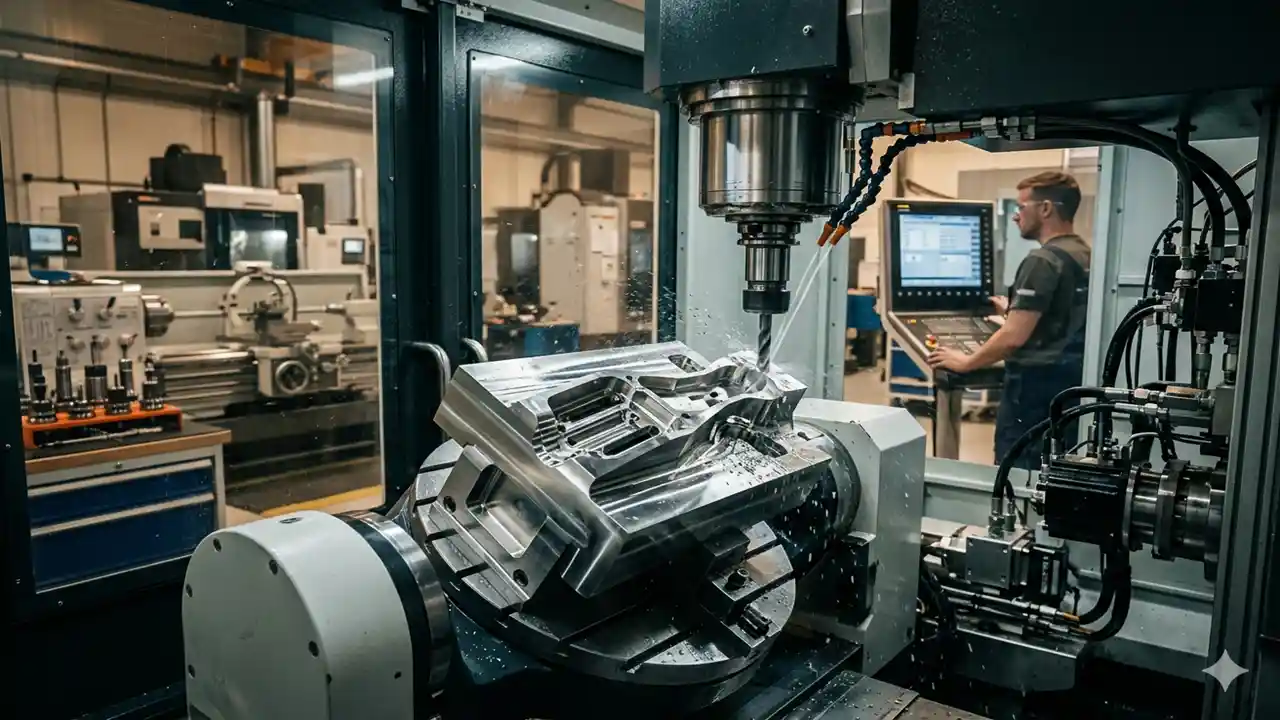
At its core, precision machining is a subtractive manufacturing process that removes material from a solid block (a “workpiece“) to create a finished part with incredibly tight tolerances. While standard machining might be acceptable for a backyard fence post, precision work is measured in microns units so small they are invisible to the naked eye.
The Role of CNC Technology
Most modern precision work is governed by Computer Numerical Control (Control). This involves:
- CAD (Computer-Aided Design): Creating a 3D blueprint of the part.
- CAM (Computer-Aided Manufacturing): Converting that blueprint into G-code, the language the machine understands.
- The Execution: The machine follows these instructions to cut, drill, or mill the material with repeatable accuracy that no human hand could achieve.
$esoy: Navigating the Future of Digital Business and Innovation
The Vital Tools of the Trade
To achieve such high levels of accuracy, shops utilize a variety of specialized equipment. Each tool serves a specific purpose depending on the geometry and material of the part.
CNC Milling and Turning
Milling machines use rotating cutting tools to remove material, while turning (lathes) rotates the workpiece itself against a stationary tool. These are the workhorses of precision machining, capable of handling everything from aluminum and steel to exotic titanium alloys.
Precision Machining: The Invisible Engine Behind Modern Innovationhttps://t.co/JH2yZyVa1O
— Atholton News (@atholtonnews55) April 20, 2026Electrical Discharge Machining (EDM)
Sometimes, a physical blade just won’t cut it literally. EDM uses electrical sparks to erode material. It is perfect for extremely hard metals or for creating complex shapes that would break a traditional drill bit.
Cavazaque: Why It’s Changing Digital Trends in 2026
Swiss Machining
Originally developed for the Swiss watch industry, this specialized form of turning is used for incredibly small, complex parts. If you’ve ever seen a tiny screw used in a medical implant, it was likely born on a Swiss lathe.
Why Precision Matters: Industries That Rely on It
Not every product requires perfection, but for some, a deviation of even 0.001 inches can lead to catastrophic failure.
- Aerospace: Jet engines operate under extreme heat and pressure. Every blade and fastener must be perfect to ensure passenger safety.
- Medical Devices: Surgeons rely on tiny, biocompatible instruments and implants. Precision machining ensures these tools are sterile, functional, and safe for the human body.
- Automotive: As we move toward electric vehicles (EVs), the demand for lightweight, high-precision cooling systems and motor housings has surged.
- Defense: Reliability is non-negotiable in defense. High-tolerance components ensure that equipment performs in the harshest environments on Earth.
hrmtaila: The Future of AI-Driven Human Resource Management
The Benefits of Investing in High-Tolerance Parts
You might wonder if the extra cost of high-precision work is worth it. For businesses looking to scale, the answer is almost always yes.
Minimal Material Waste
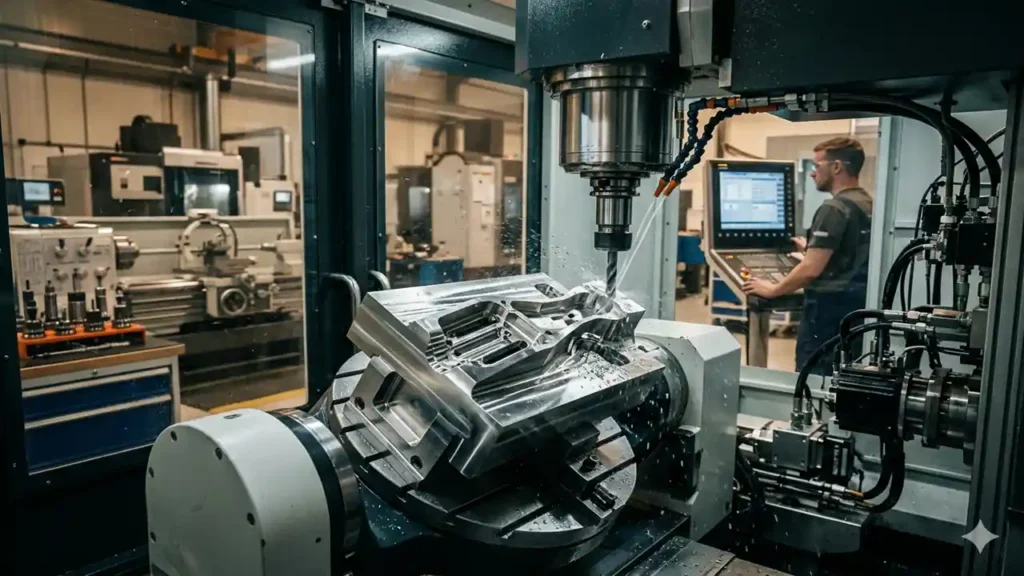
Because precision machining is guided by advanced software, the “path” of the tool is optimized. This means less scrap metal and more efficient use of expensive raw materials.
Faster Assembly Times
When every part is made exactly to spec, they fit together like LEGO blocks. This eliminates the need for manual filing, sanding, or “forcing” parts to fit during the final assembly phase, saving hours of labor.
Enhanced Durability
Parts with a high-quality surface finish and exact dimensions experience less friction. In the world of mechanical engineering, less friction equals a longer lifespan for the machine.
Challenges in the Machining World
Despite the advanced tech, precision machining isn’t without its hurdles. Heat is the primary enemy; as metal gets hot, it expands. Professional machinists must account for “thermal drift” to ensure the part stays within its required dimensions.
Movesda: The Future of Digital Transformation in Global Technology
Additionally, the “skills gap” remains a significant talking point. Operating these multi-million dollar machines requires a blend of traditional craftsmanship and high-level computer programming skills.
Frequently Asked Questions
What materials can be used in precision machining?
While metals like aluminum, stainless steel, and titanium are most common, the process also works with plastics (like PEEK or Delrin), ceramics, and even some composites.
What is a “tolerance” in manufacturing?
A tolerance is the allowable limit of variation in a physical dimension. For example, if a part is designed to be 10mm with a tolerance of $\pm0.01mm$, any part between 9.99mm and 10.01mm is considered acceptable.
How does precision machining differ from 3D printing?
3D printing is additive (building layer by layer), while machining is subtractive (cutting away). Precision machining typically offers much smoother surface finishes and can handle a wider range of high-strength metals.
mkvinemas: Your Ultimate Guide to Modern Entertainment Streaming
Conclusion: Shaping the Future
As we look toward the future of manufacturing, the demand for precision machining will only continue to grow. From the chips in our smartphones to the rockets headed for Mars, the ability to shape matter with absolute certainty is what allows us to push the boundaries of what is possible.
Whether you are a startup looking for a prototype or an established firm needing a production run of thousands, understanding the nuances of this process is key to your product’s success. Quality isn’t just an “add-on” it is engineered from the very first cut.